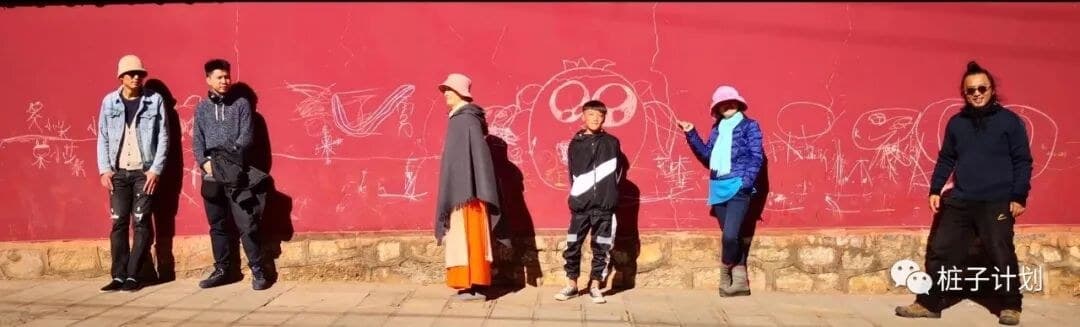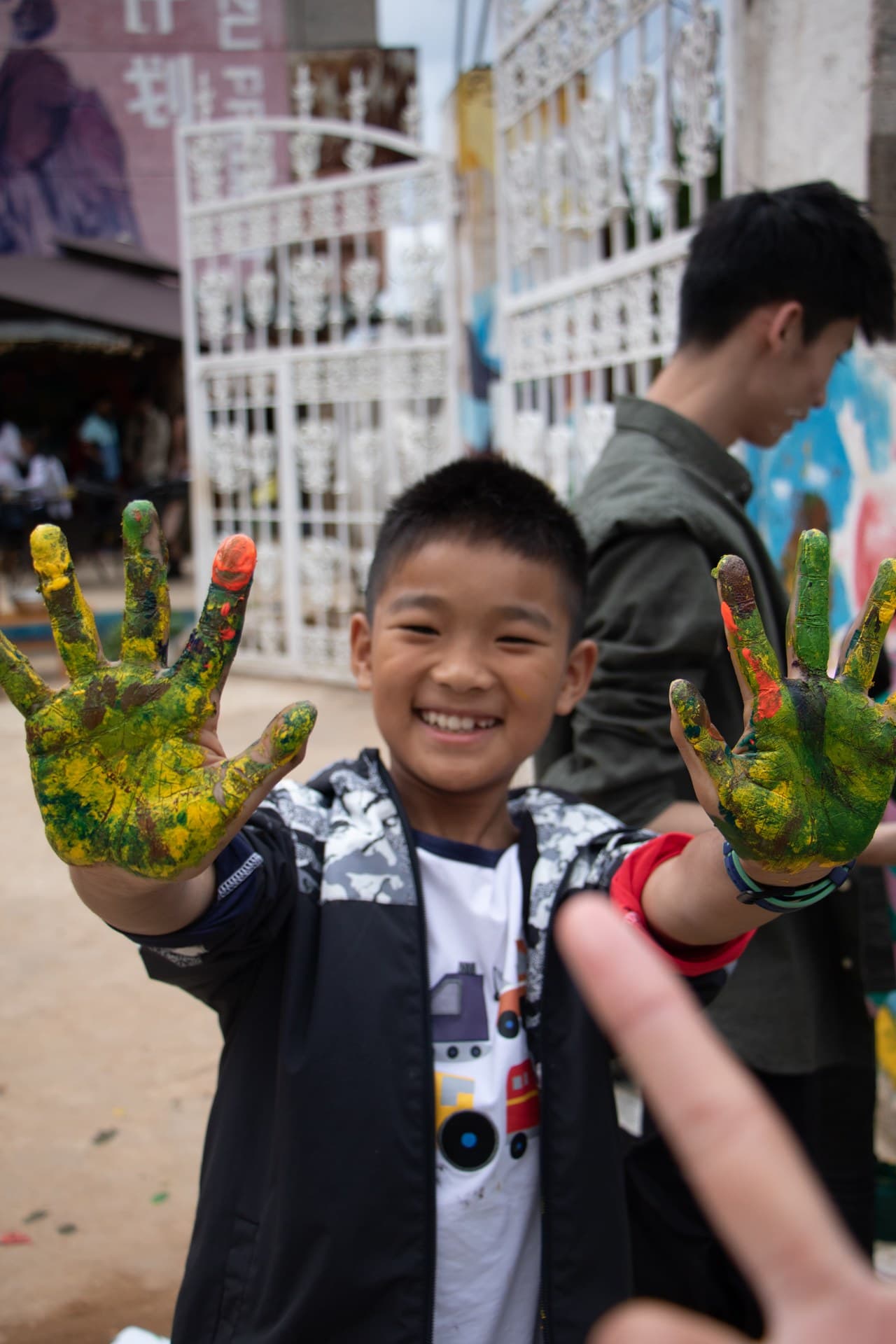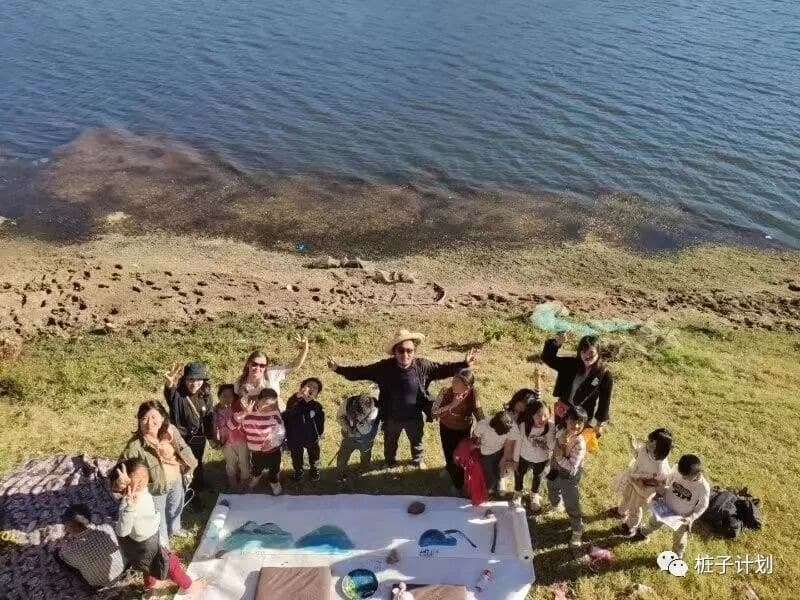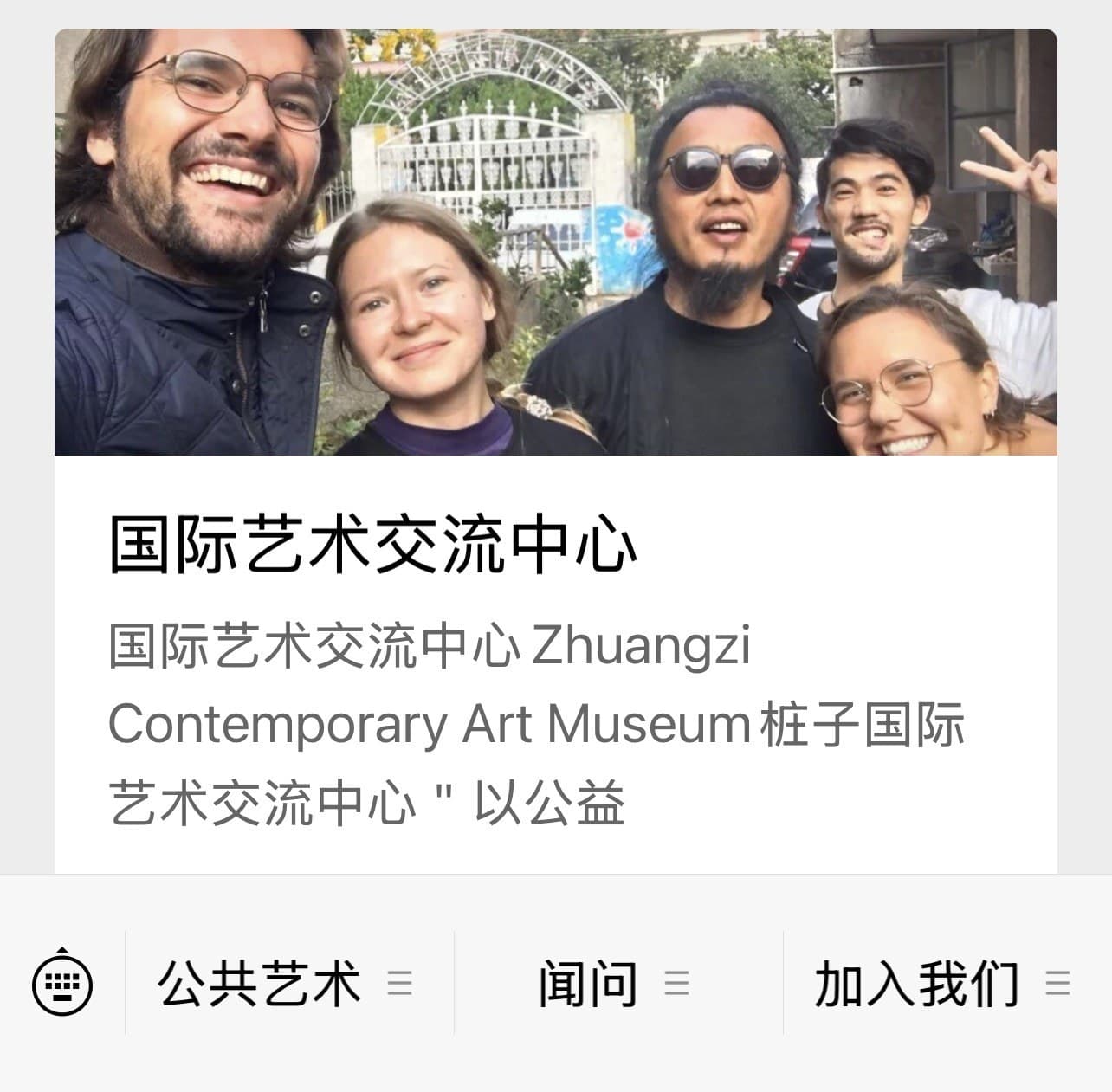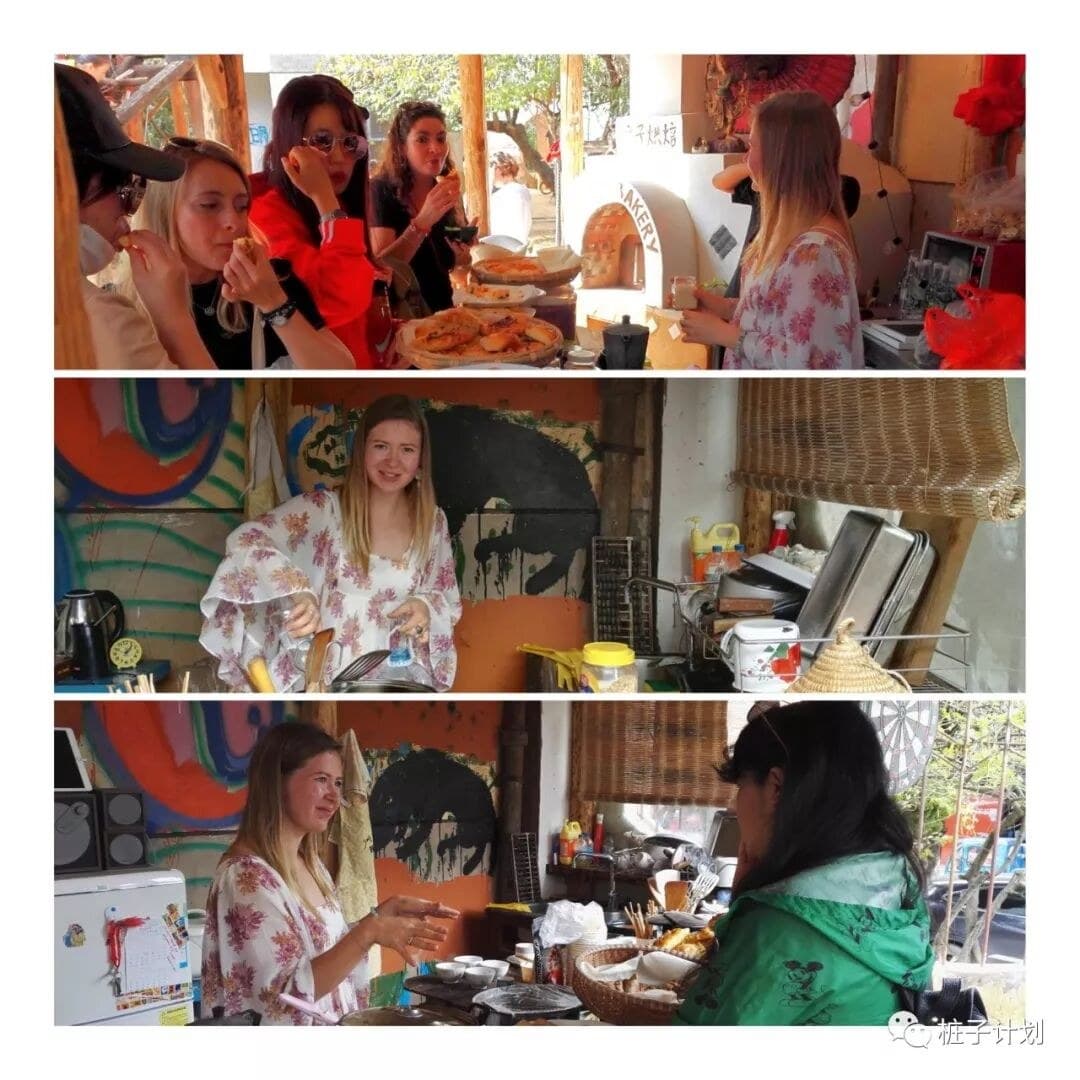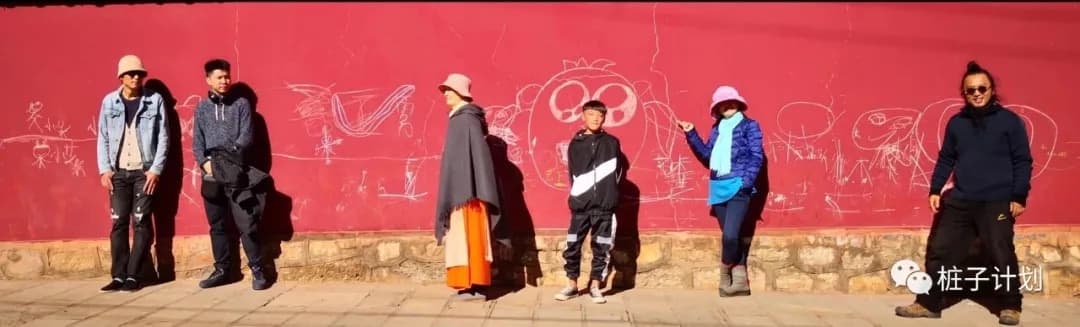
“ChuangTzu is a dynamic, open platform. We offer a warm and beautiful home, with food and lodging. In return, we will exchange skills and inspire each other. Your most important contribution is an openness to share and receive ideas.”
The Project

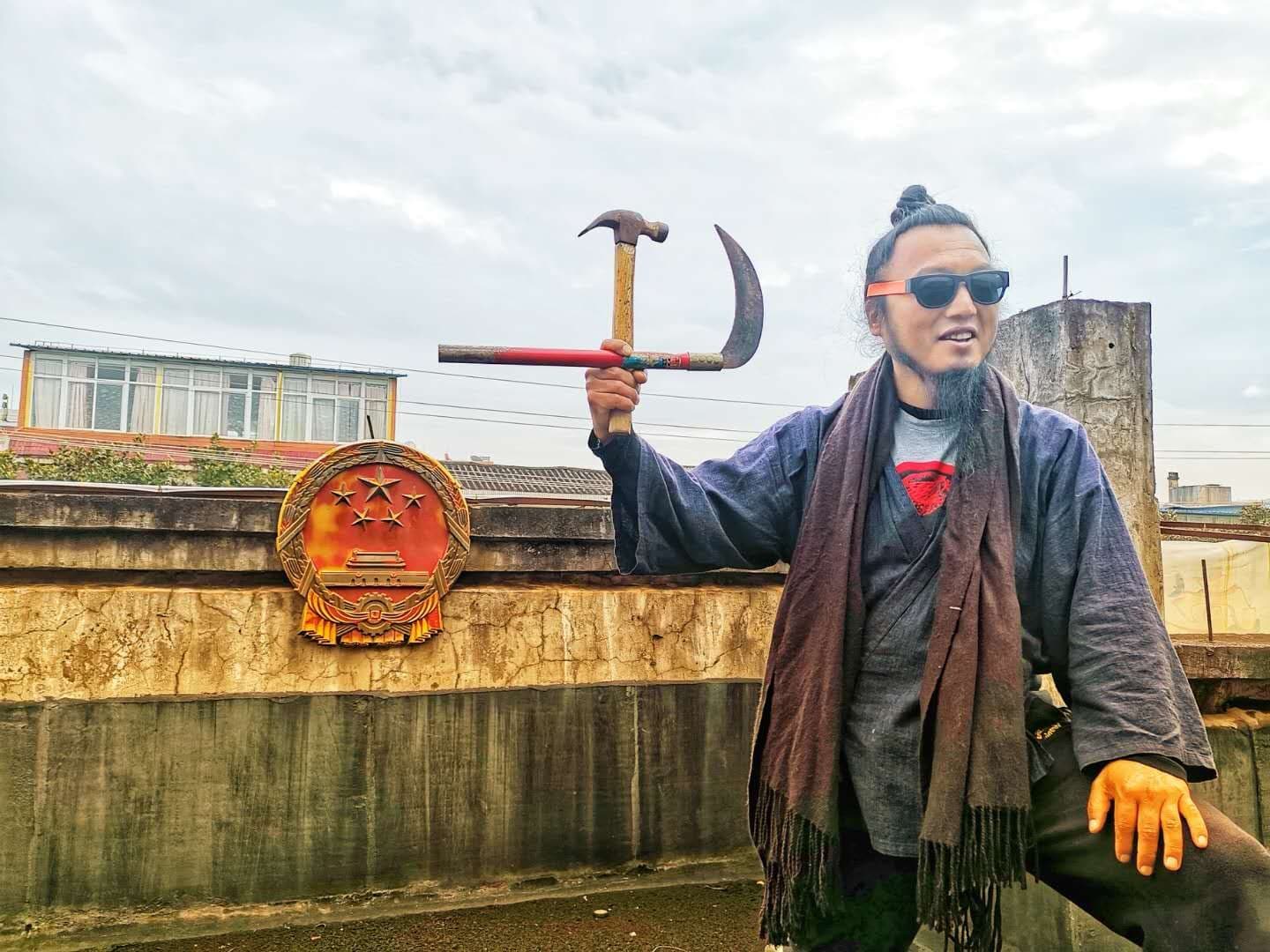
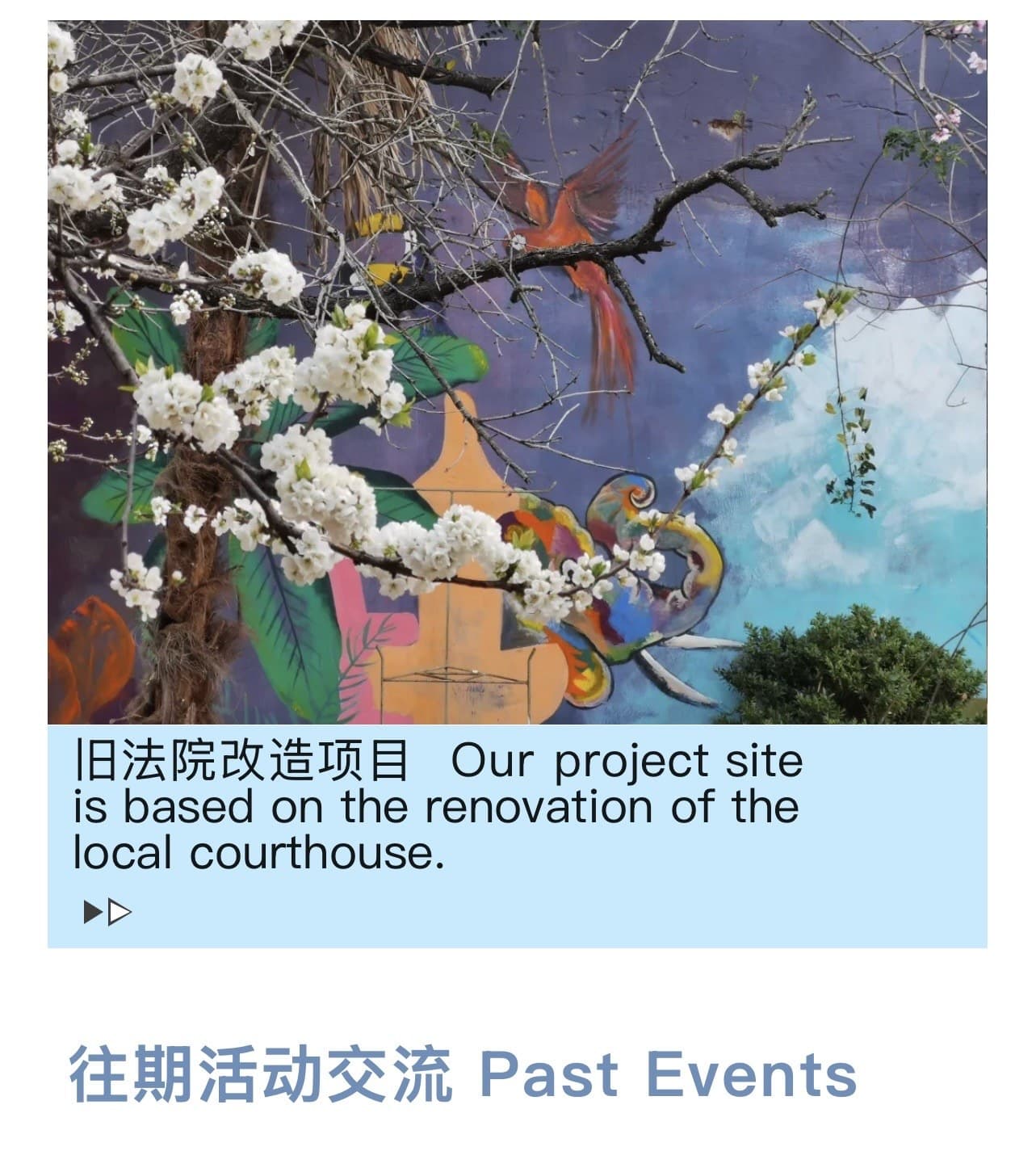
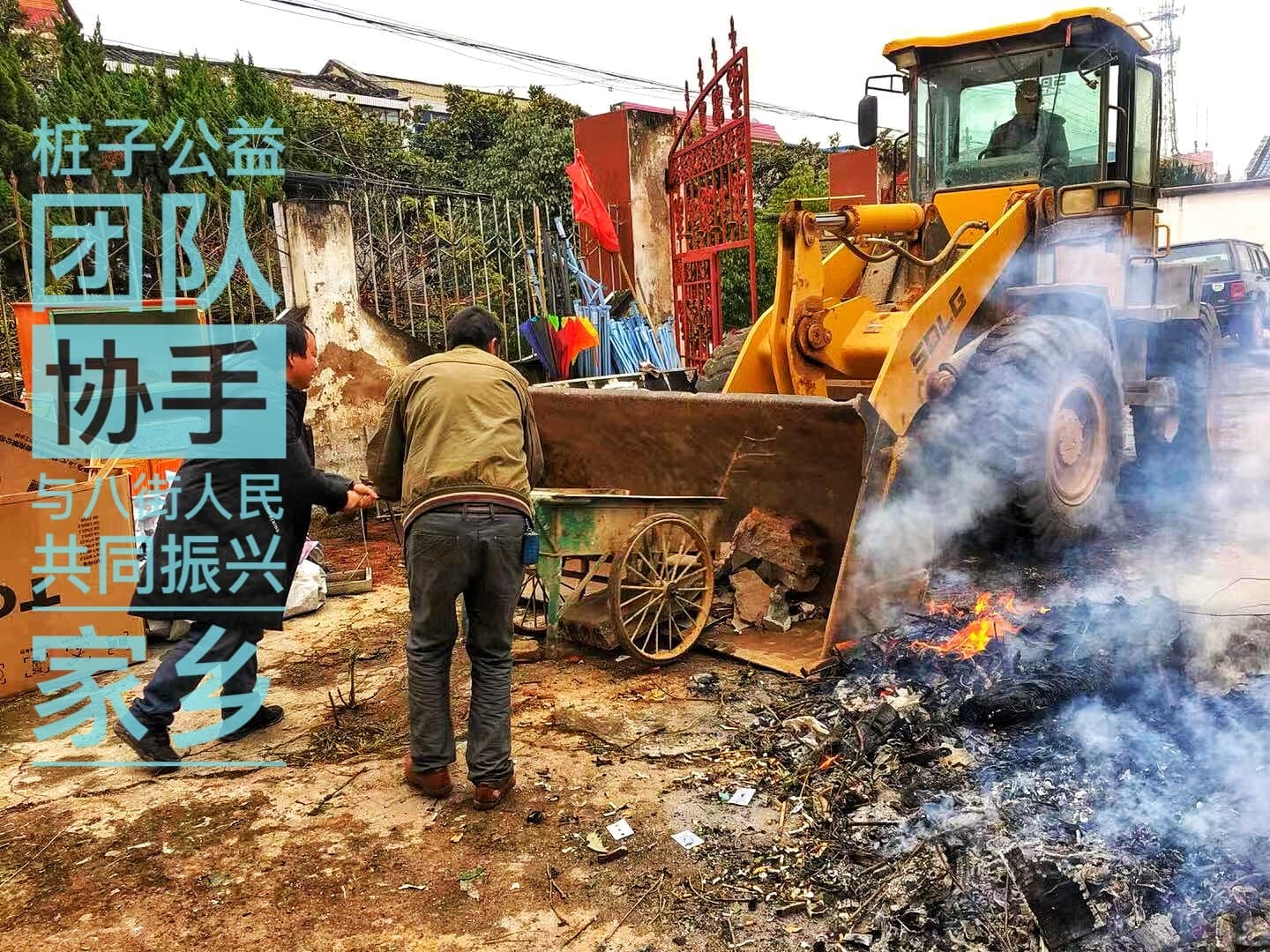
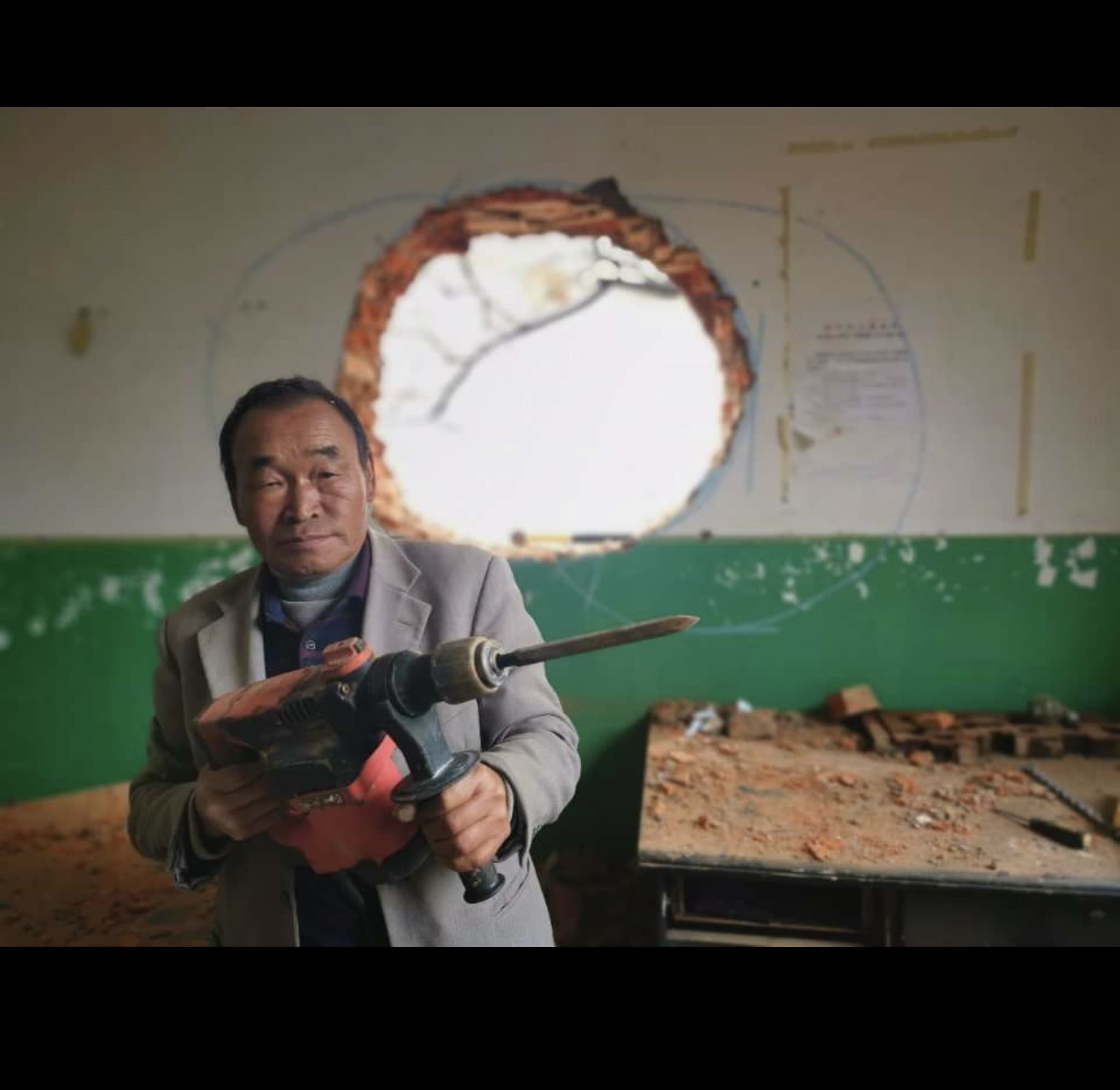
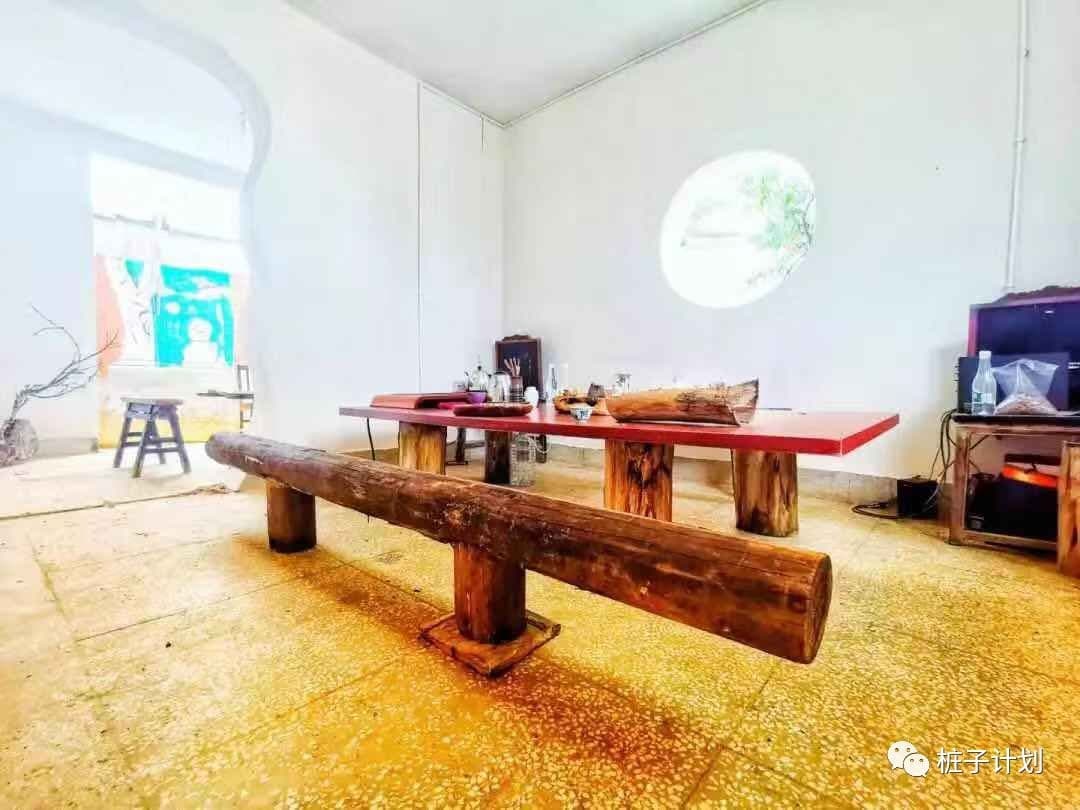
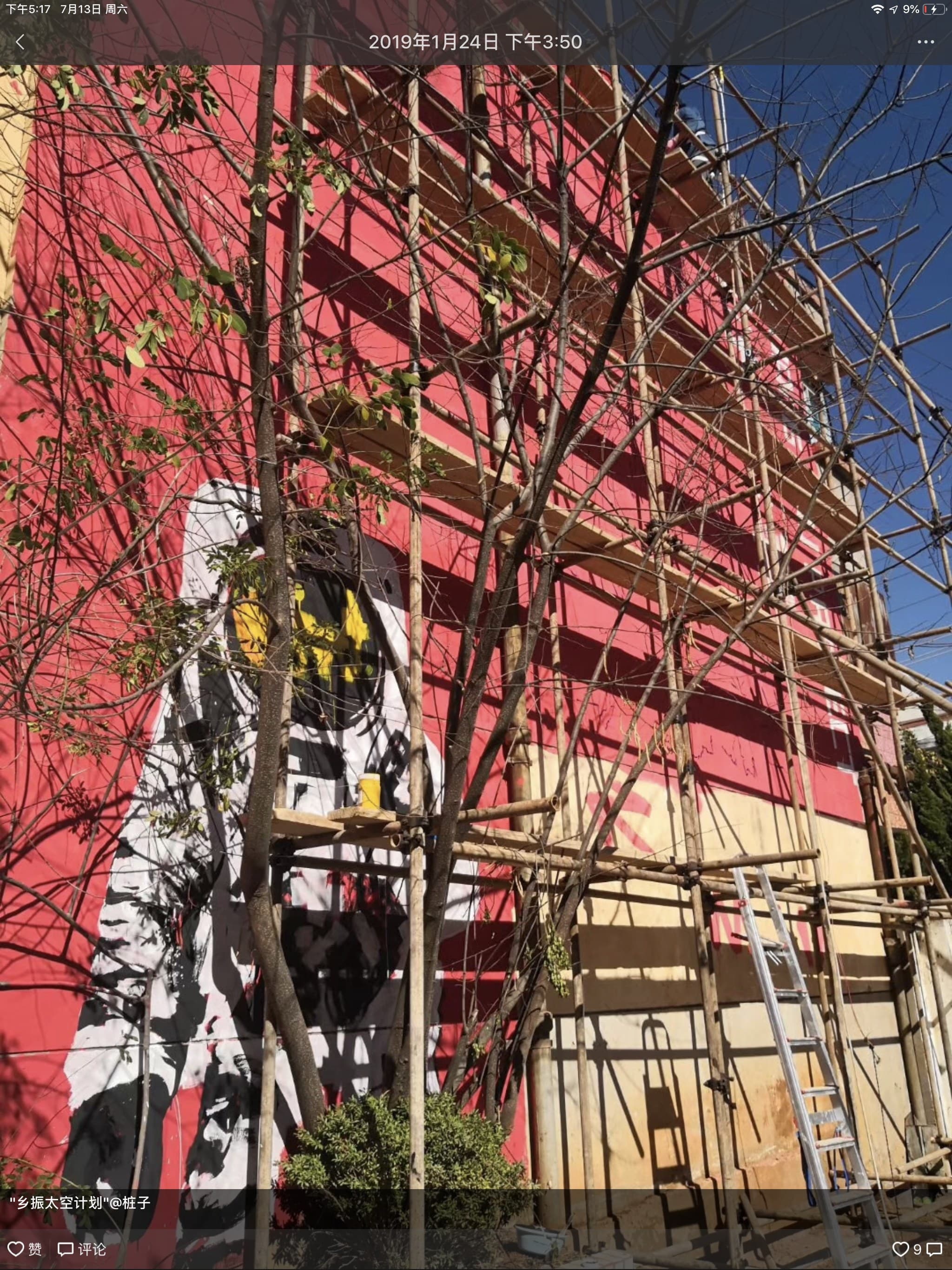
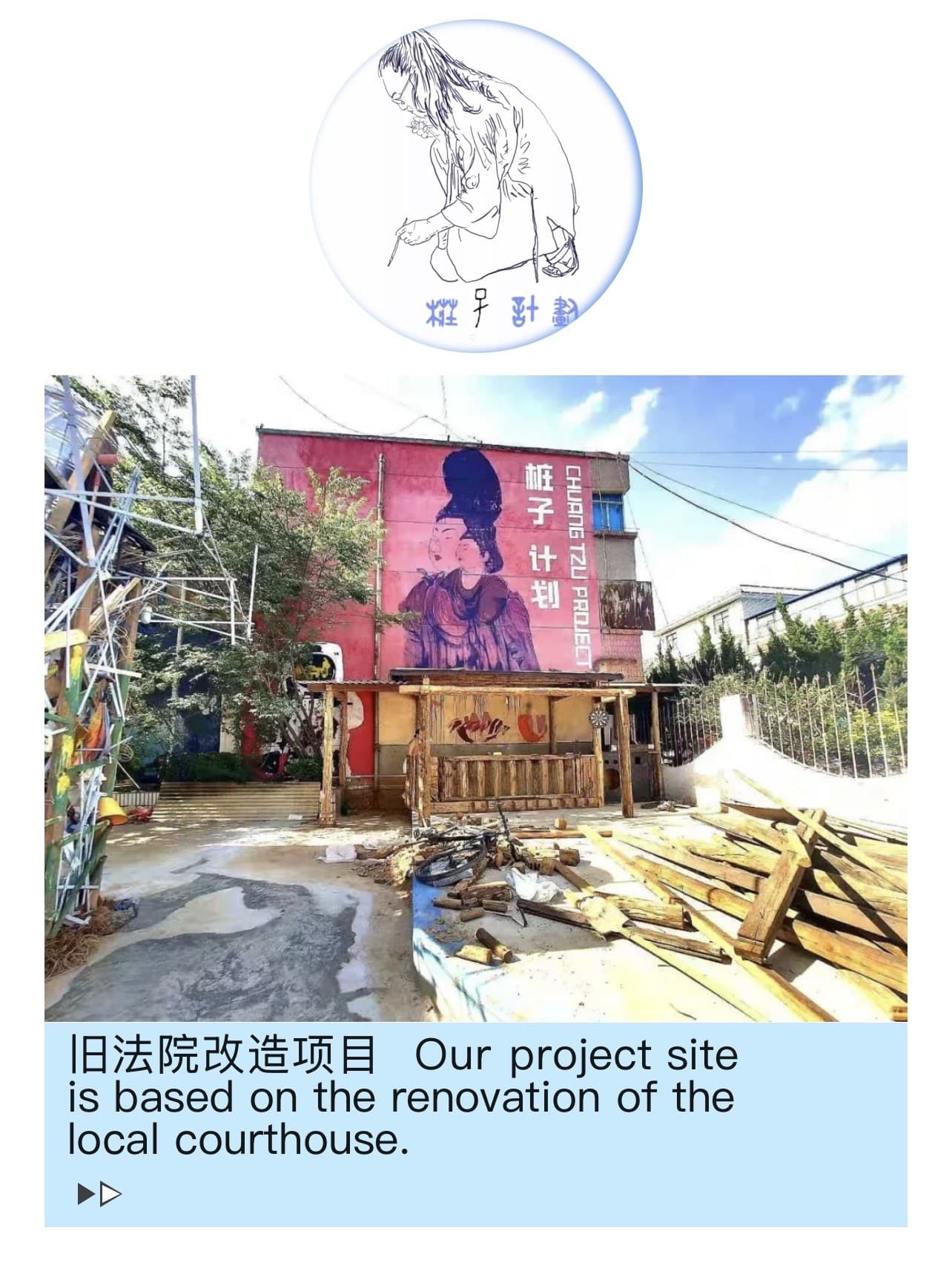
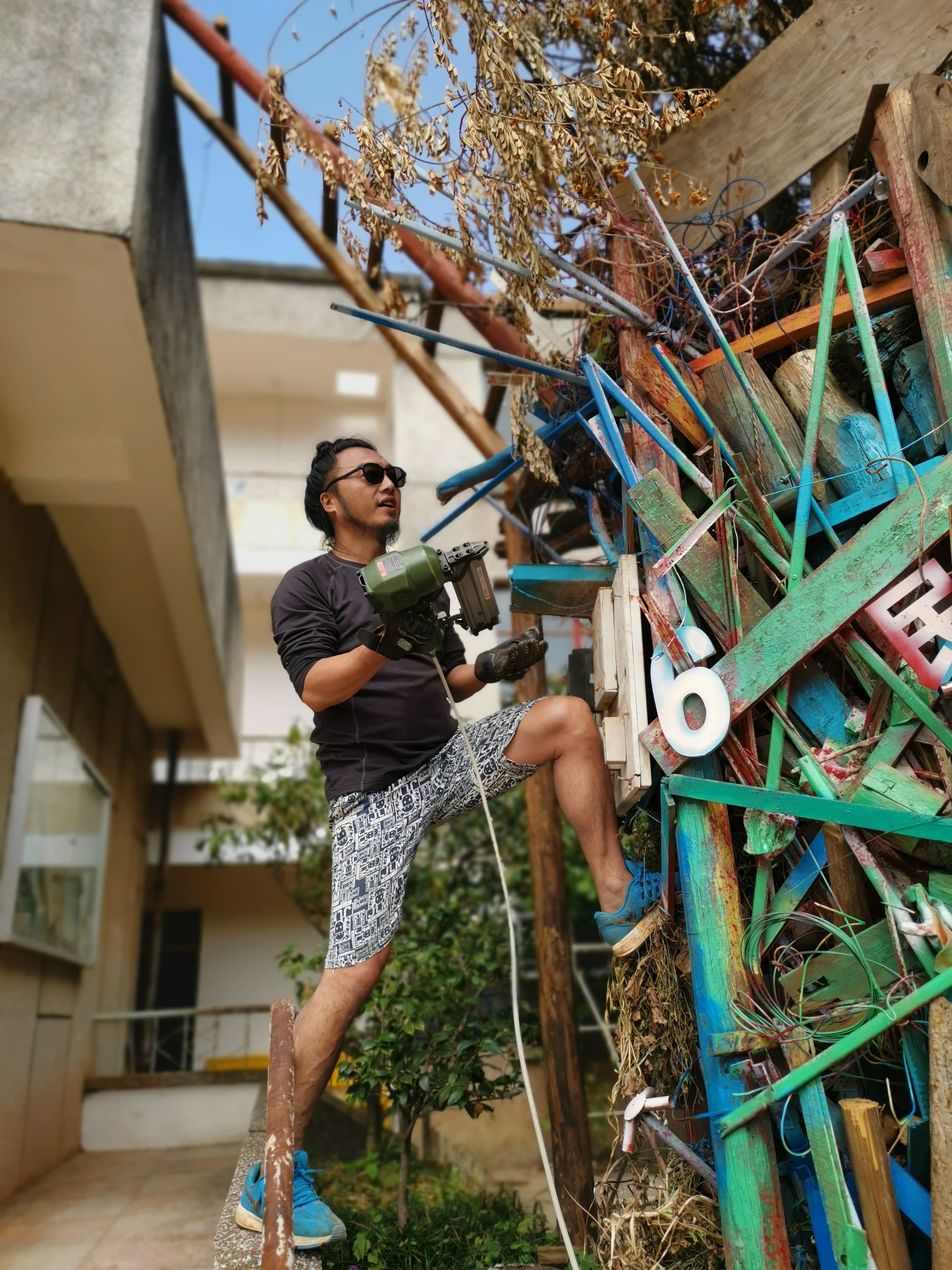
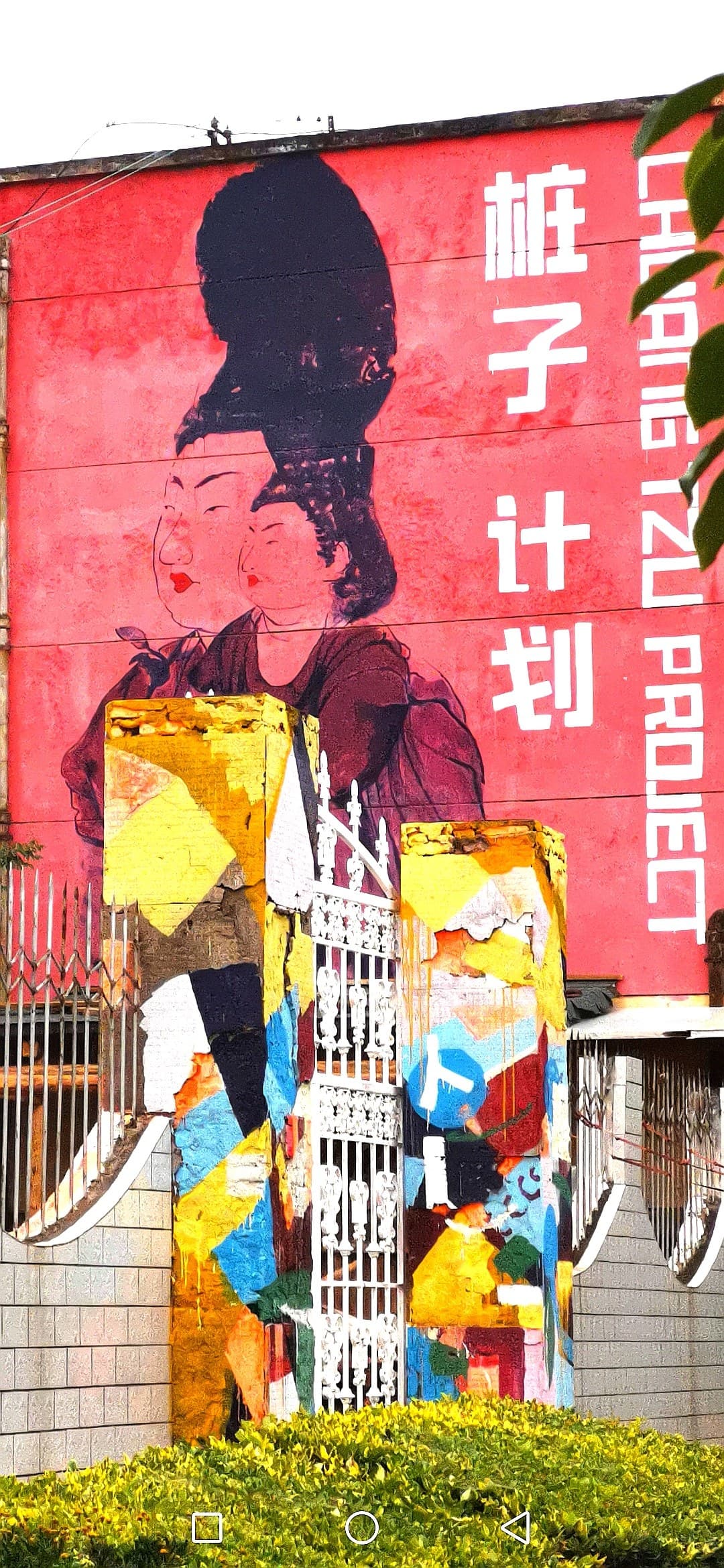
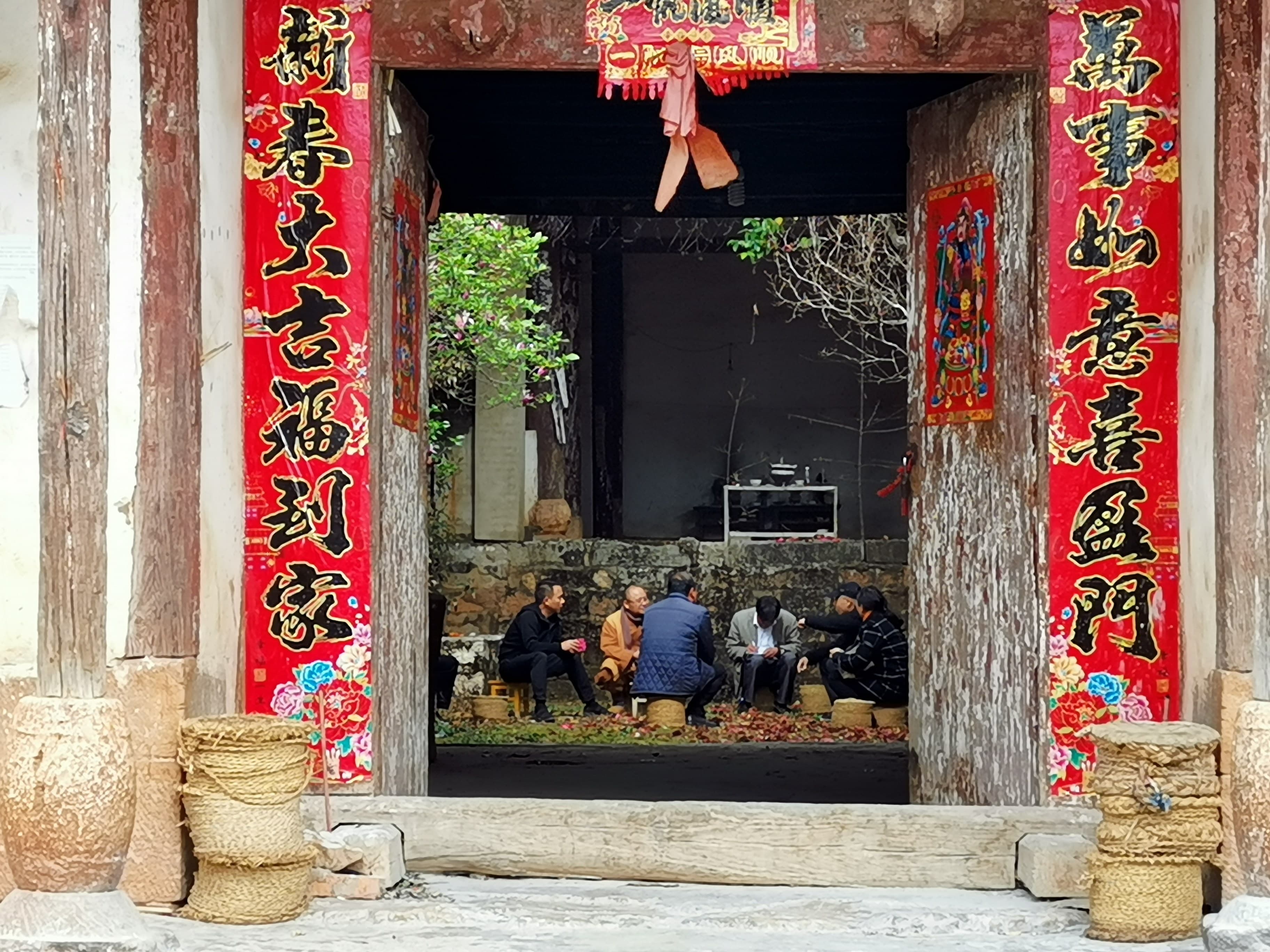
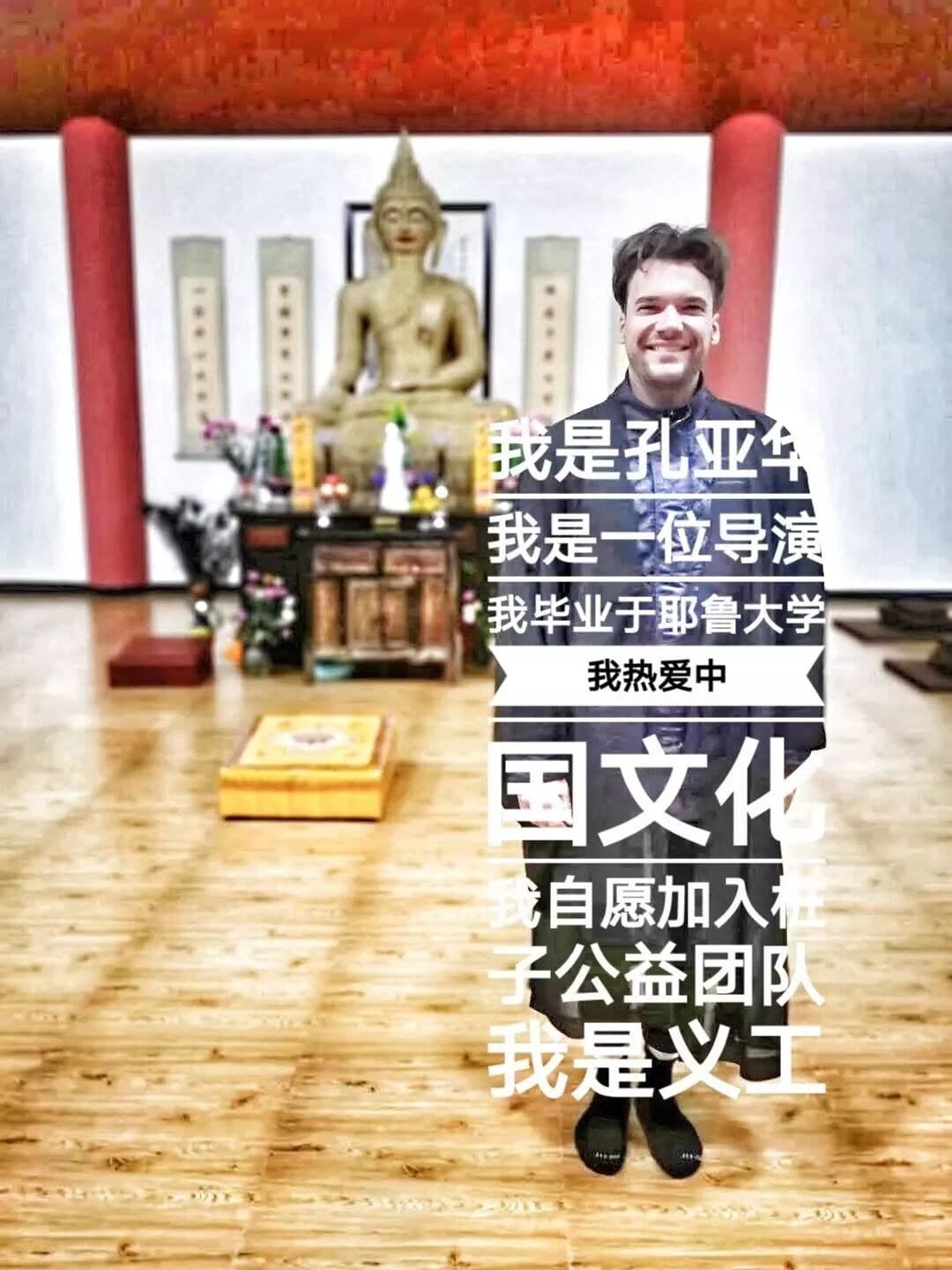
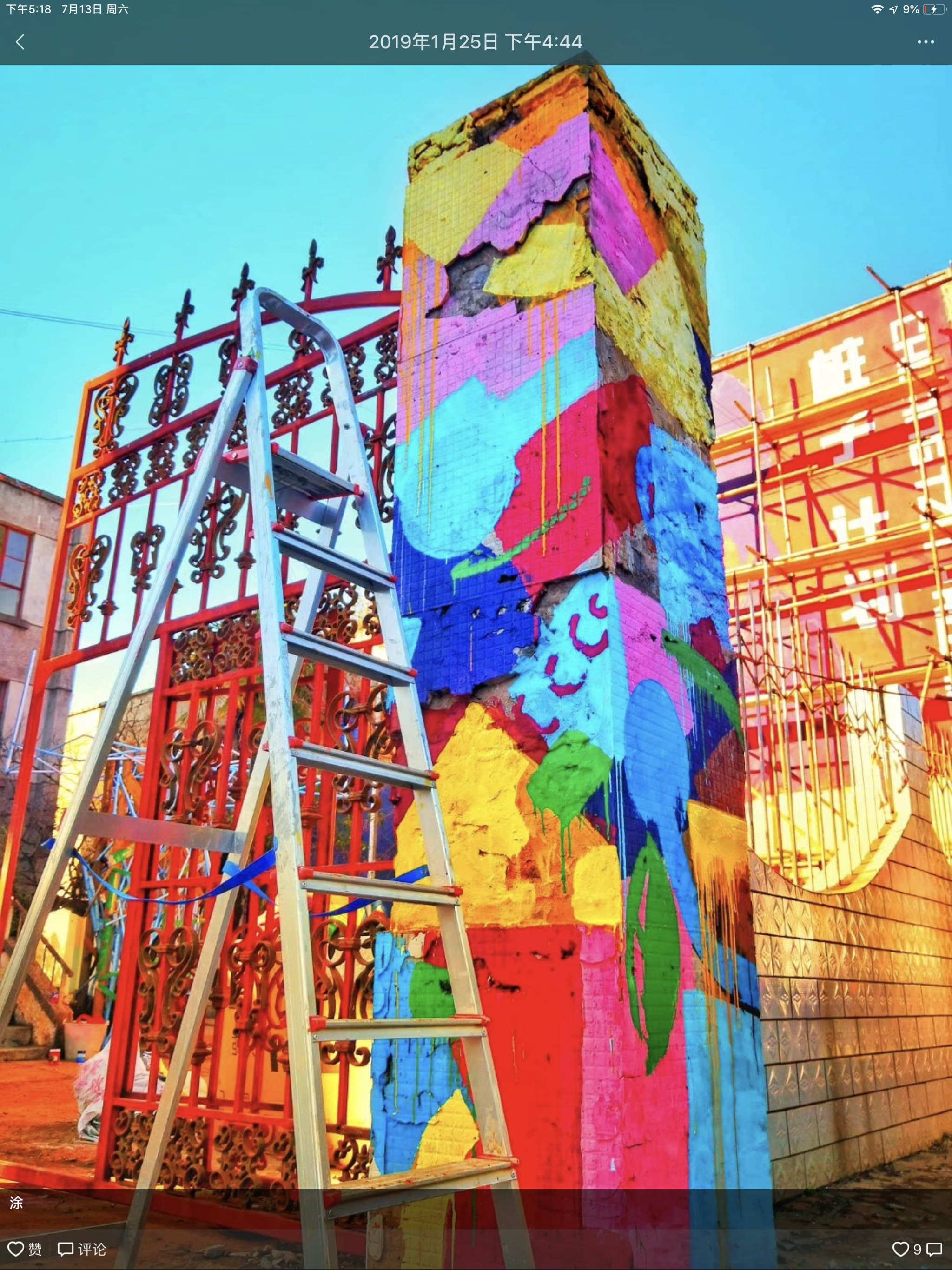
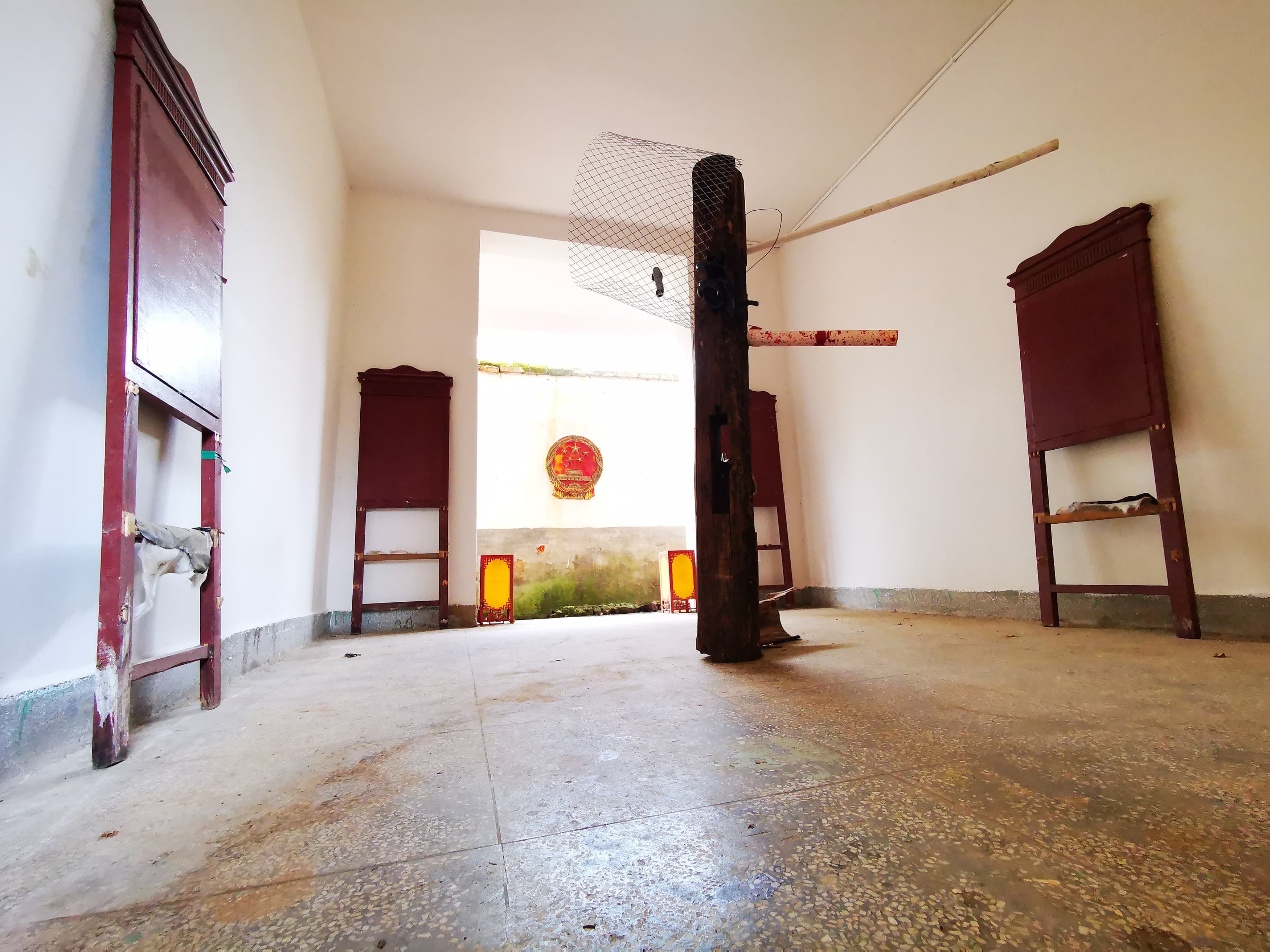
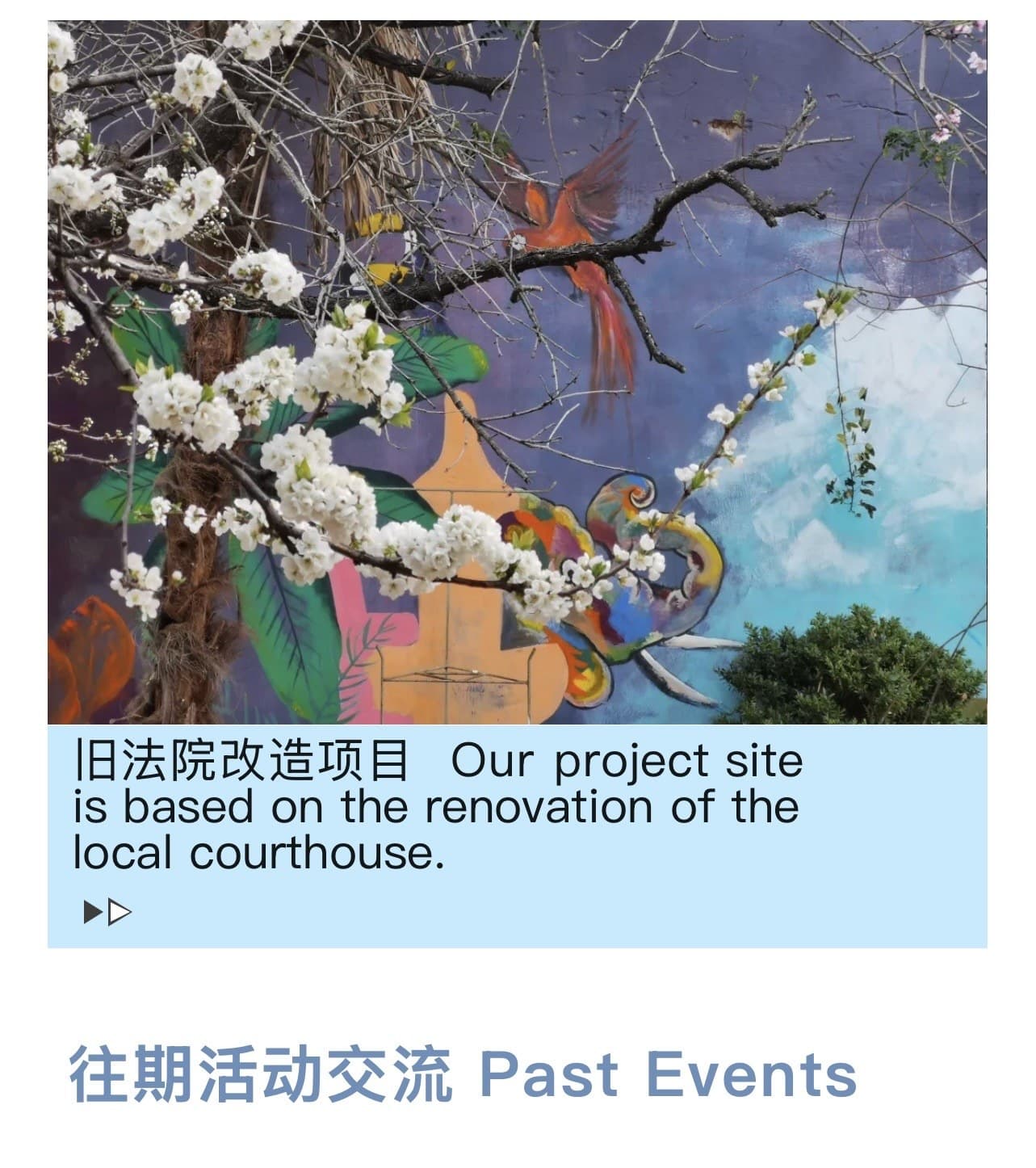
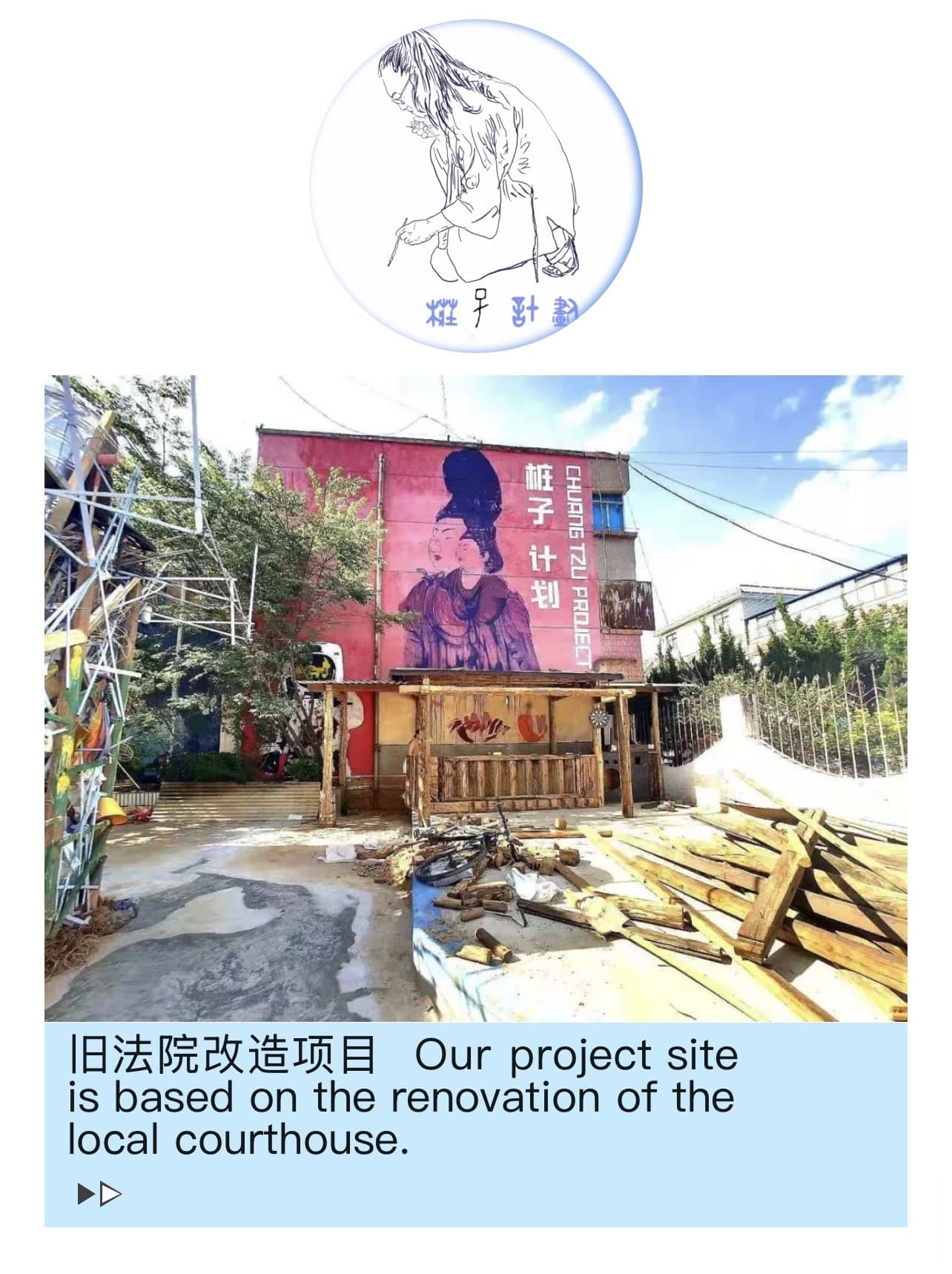
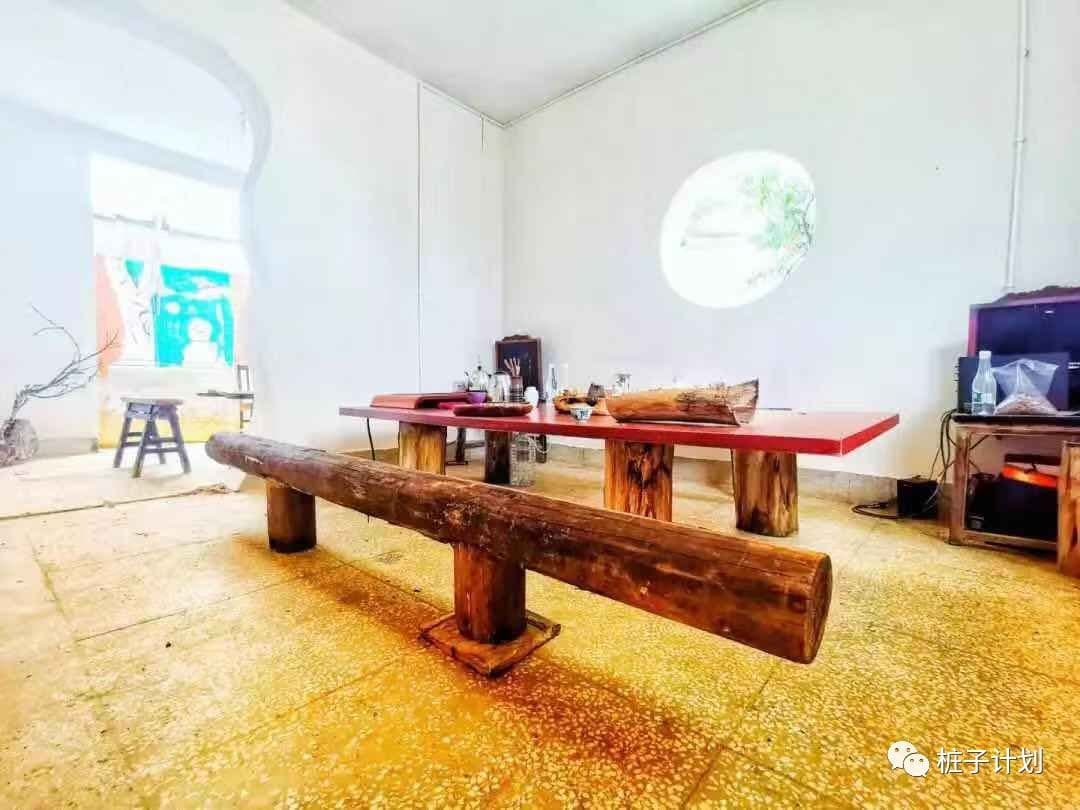
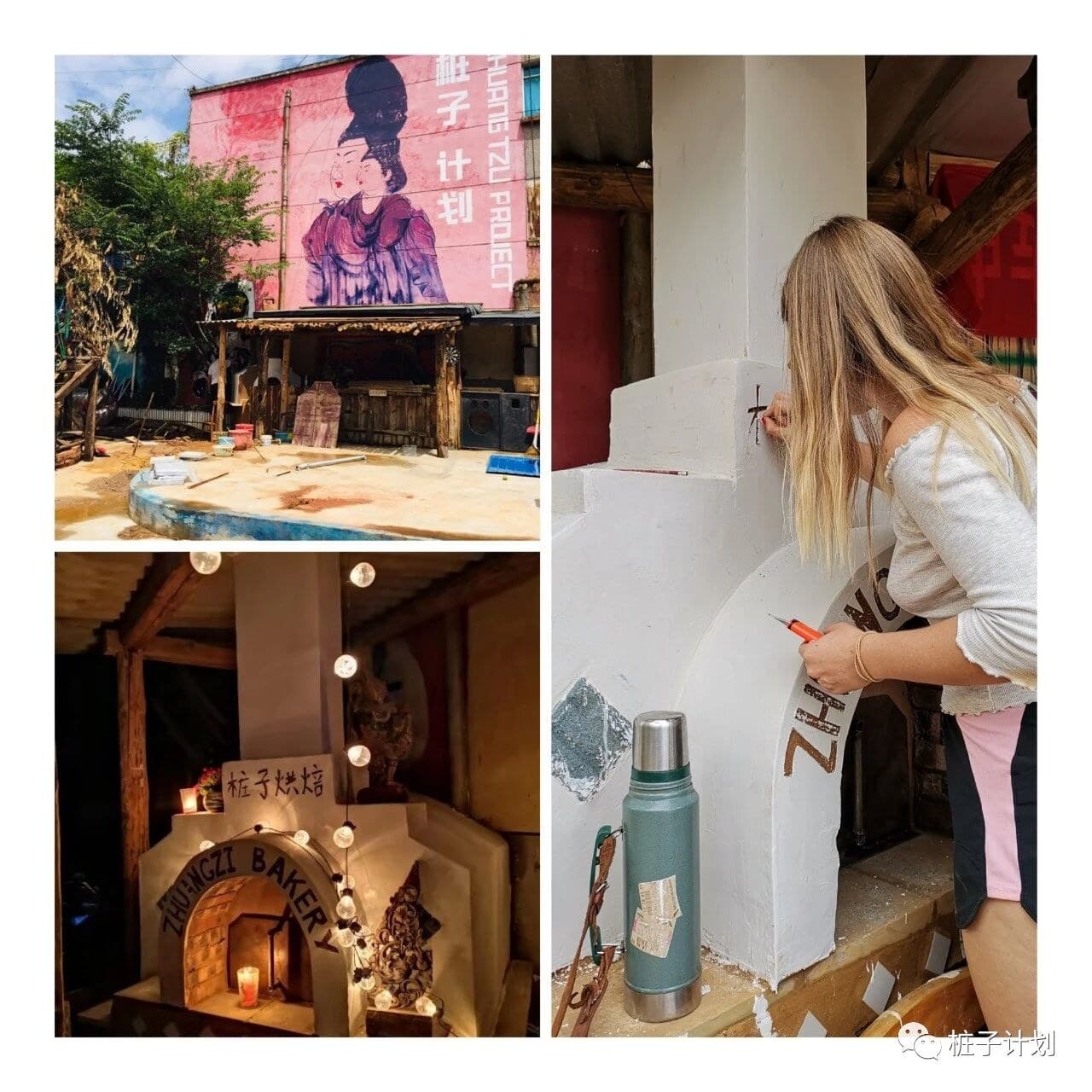
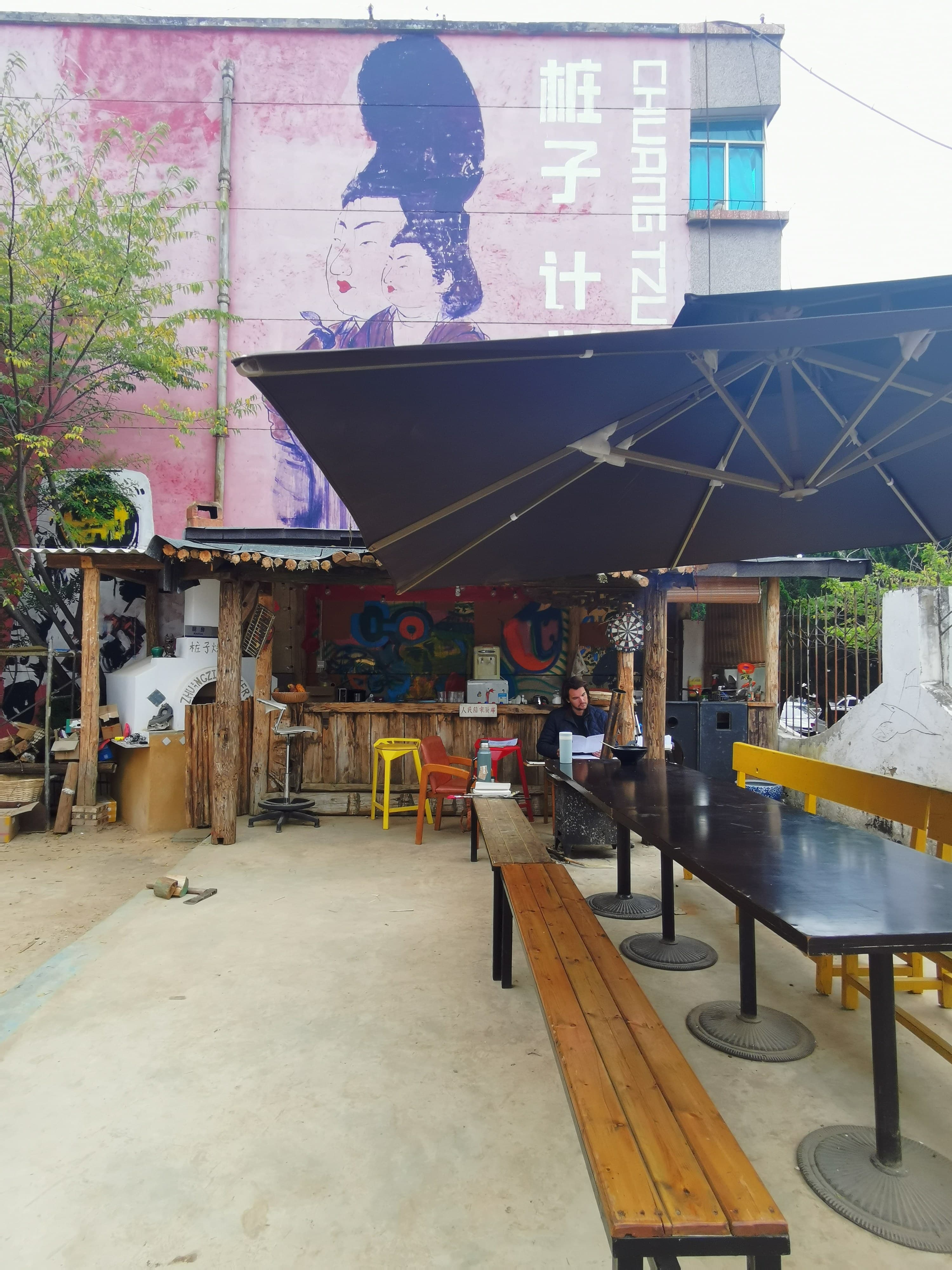
The ChuangTzu Project is a new multidisciplinary, experimental community initiated and executed by Mu Yuming under his art name 桩子 (Zhuangzi). Mu is an established conceptual artist who has been exhibiting work around the world and running international art studios in the Chinese countryside for the past two decades. Located in the rural town of Bajie, in Anning, Yunnan Province, the project's headquarters occupy a former courthouse in the center of town — repurposed to house artists' studios, offices, a café, and a garden where participants grow their own produce. Nearby is San He Temple, a close partner of the project and a warm host to many of its participants.
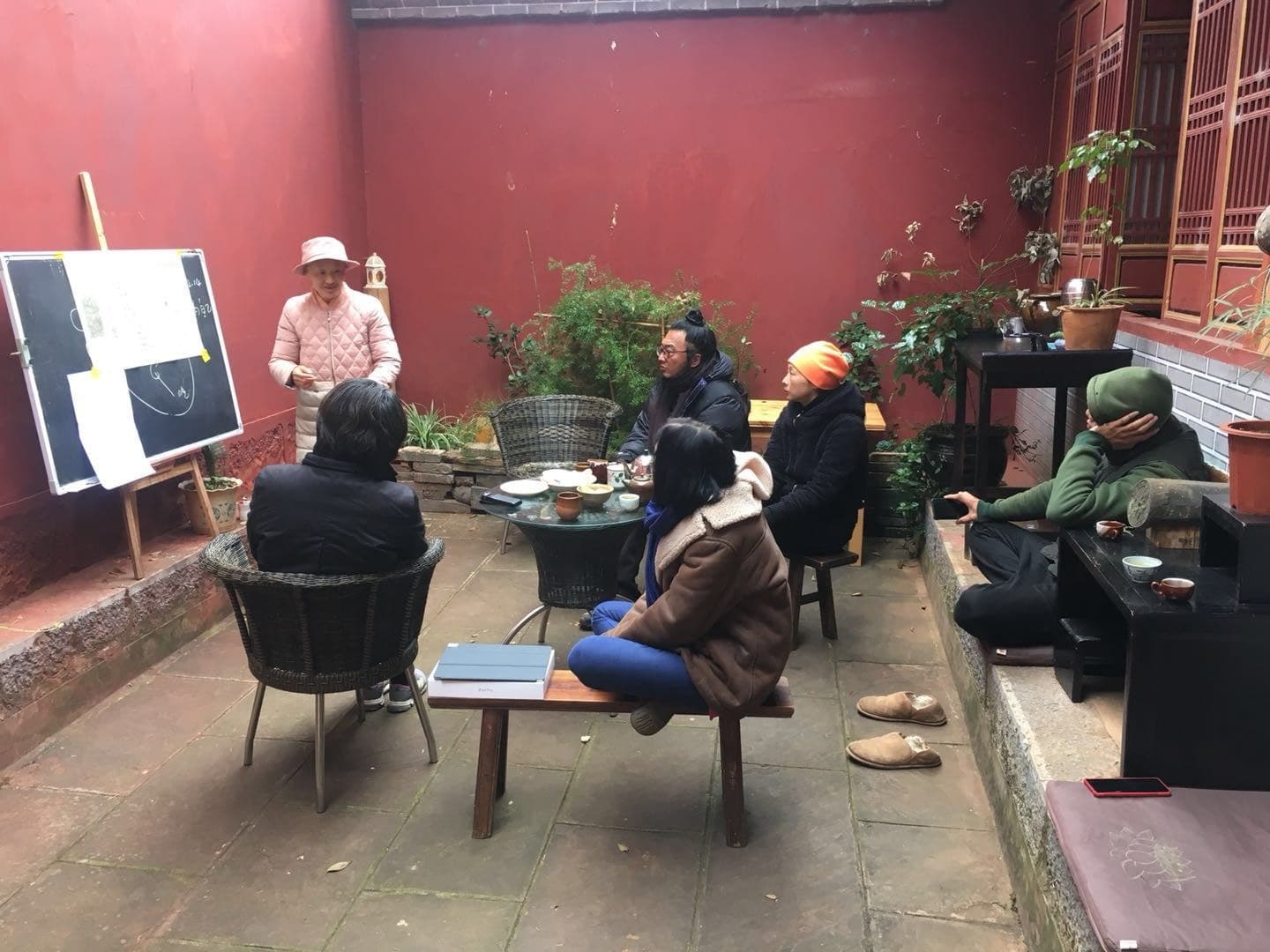
The aim of the community is to bring together artists, scientists, and theologians from different cultural and professional backgrounds in dynamic conversation and collaboration. We are living in a world where, too often, people exist in one or two narrow silos and do not cross paths with their peers in other disciplines. The project creates unique gatherings of people who might otherwise never meet each other, in the belief that the ideas of such groups will be more powerful than those of any individual member.
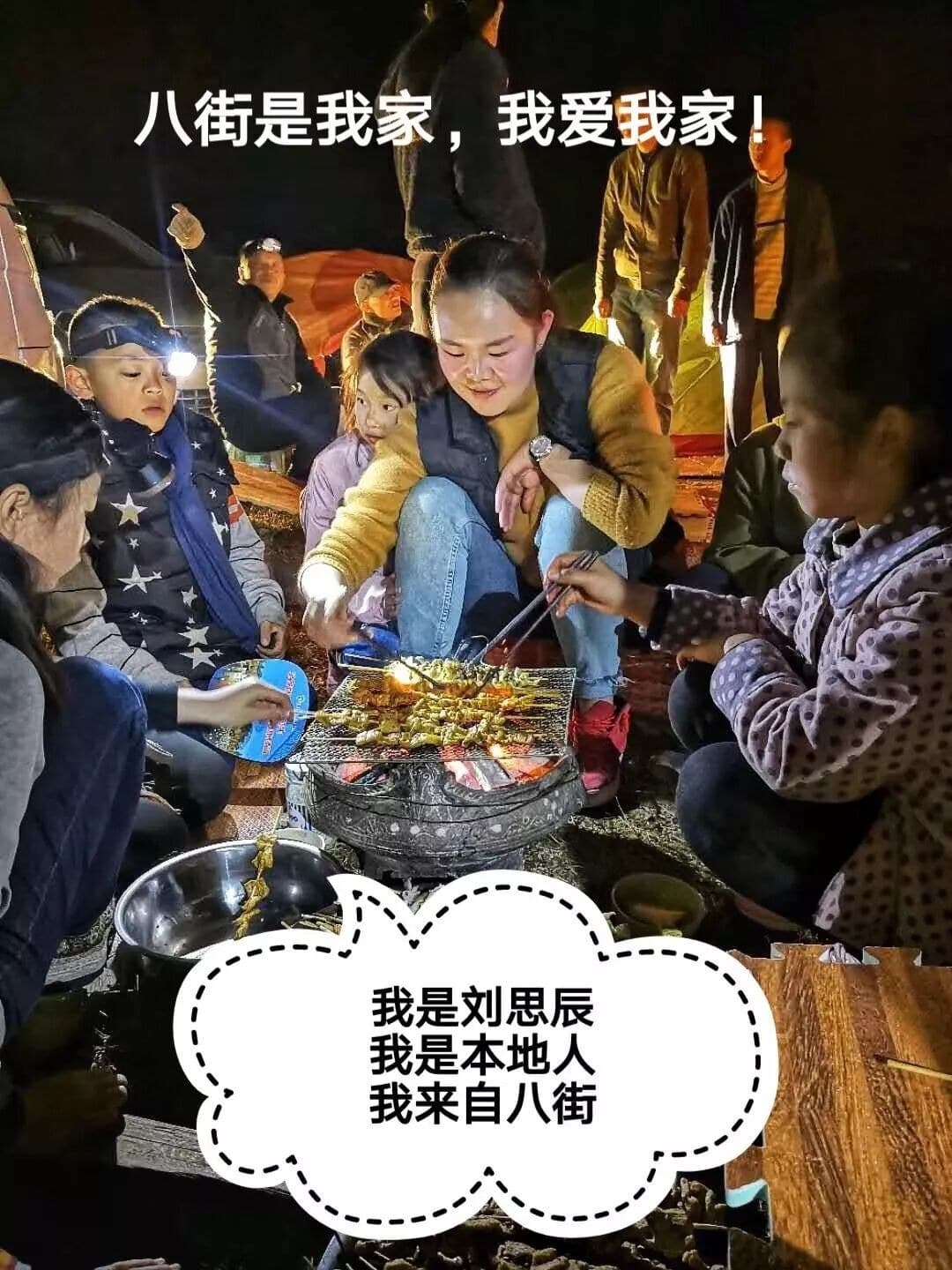
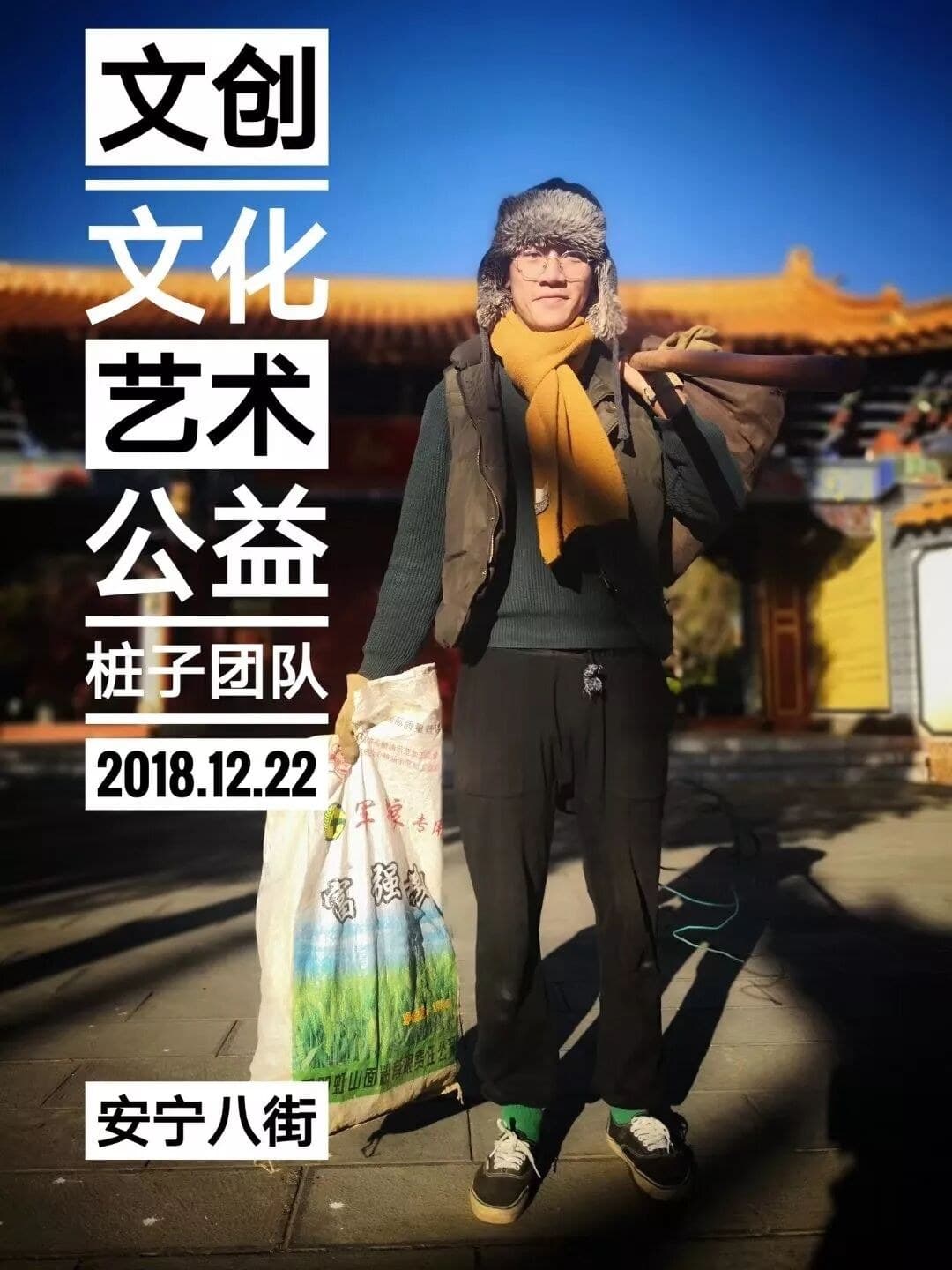
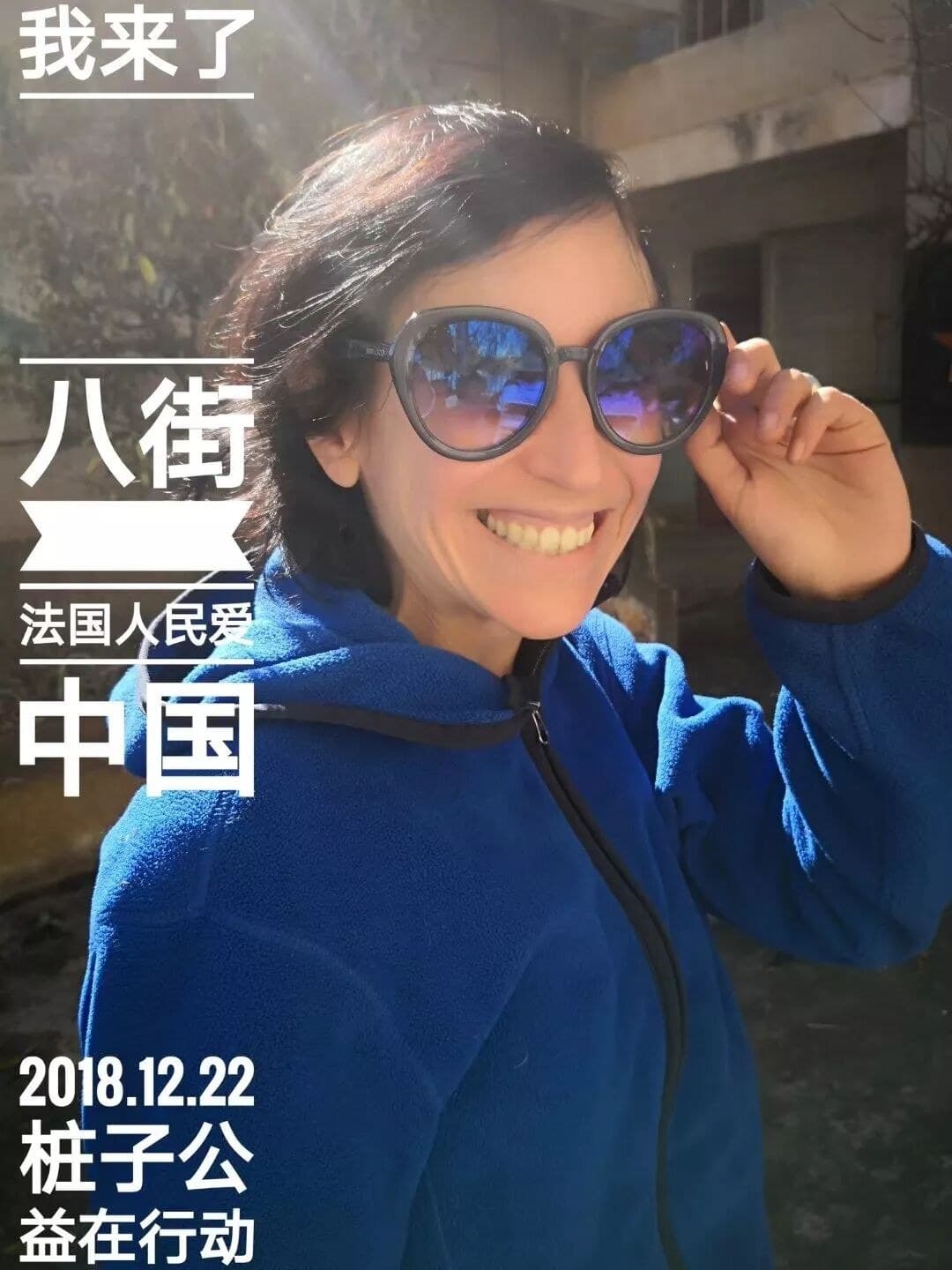
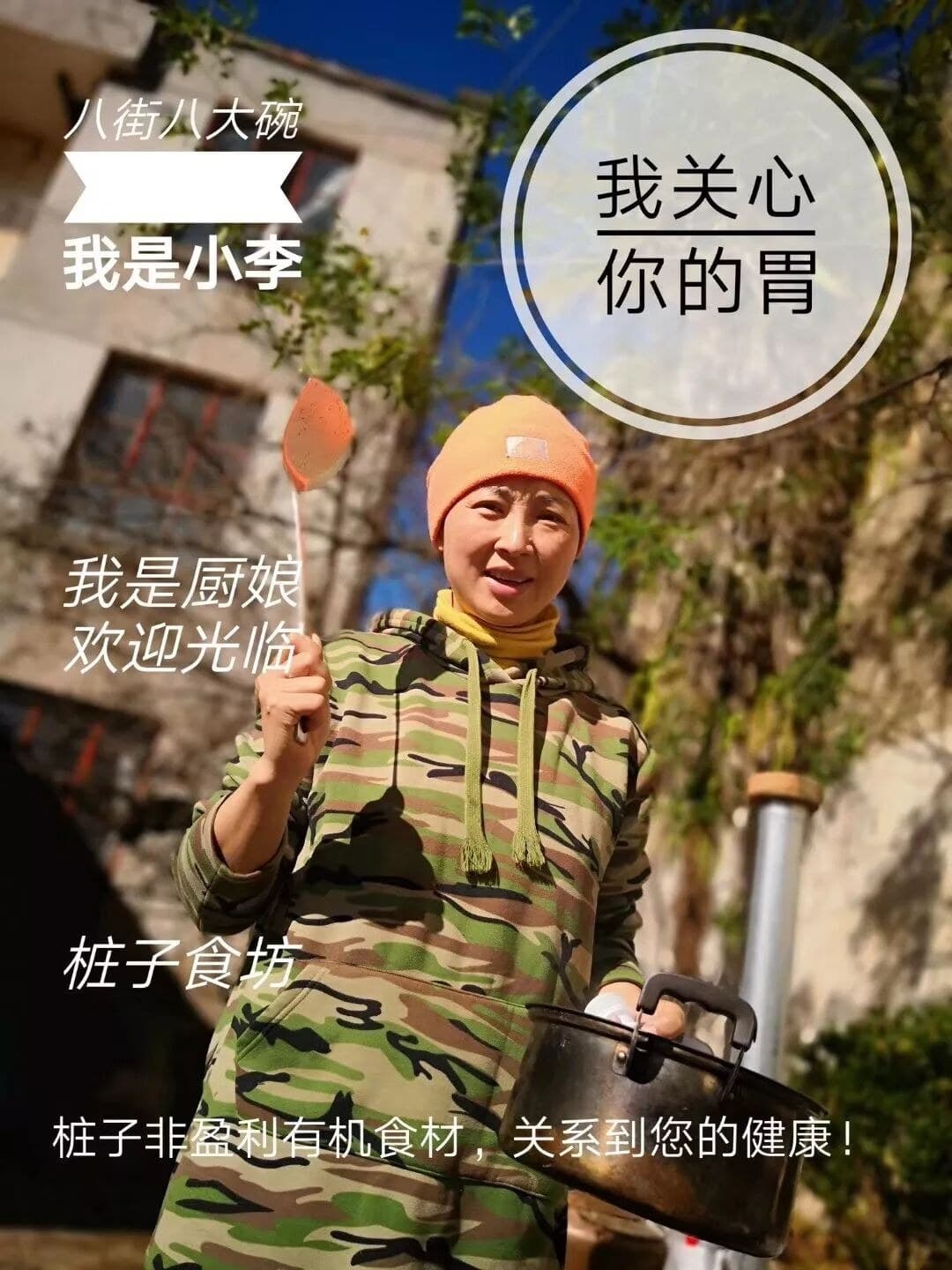
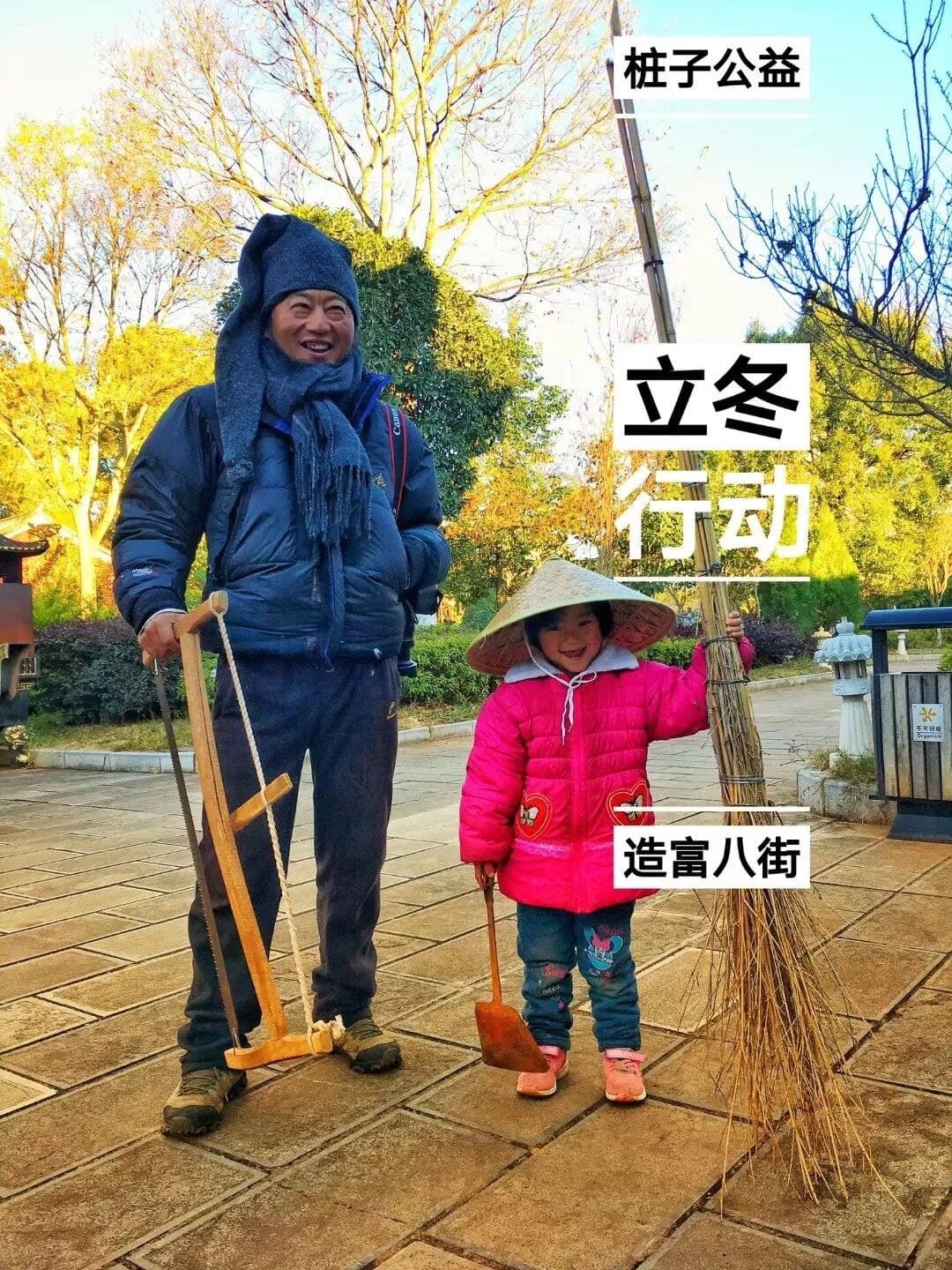
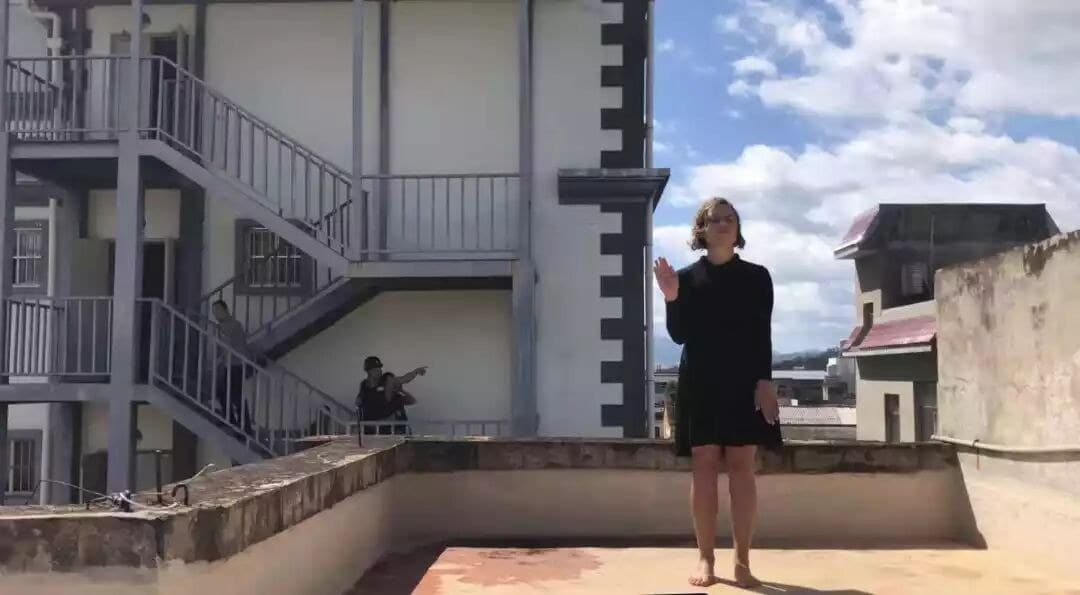
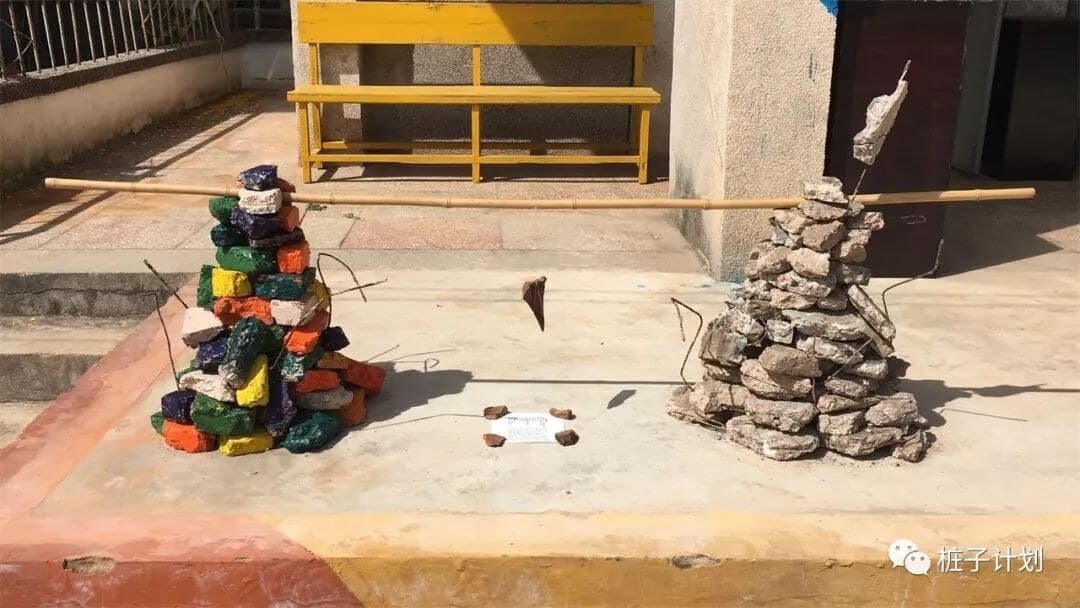
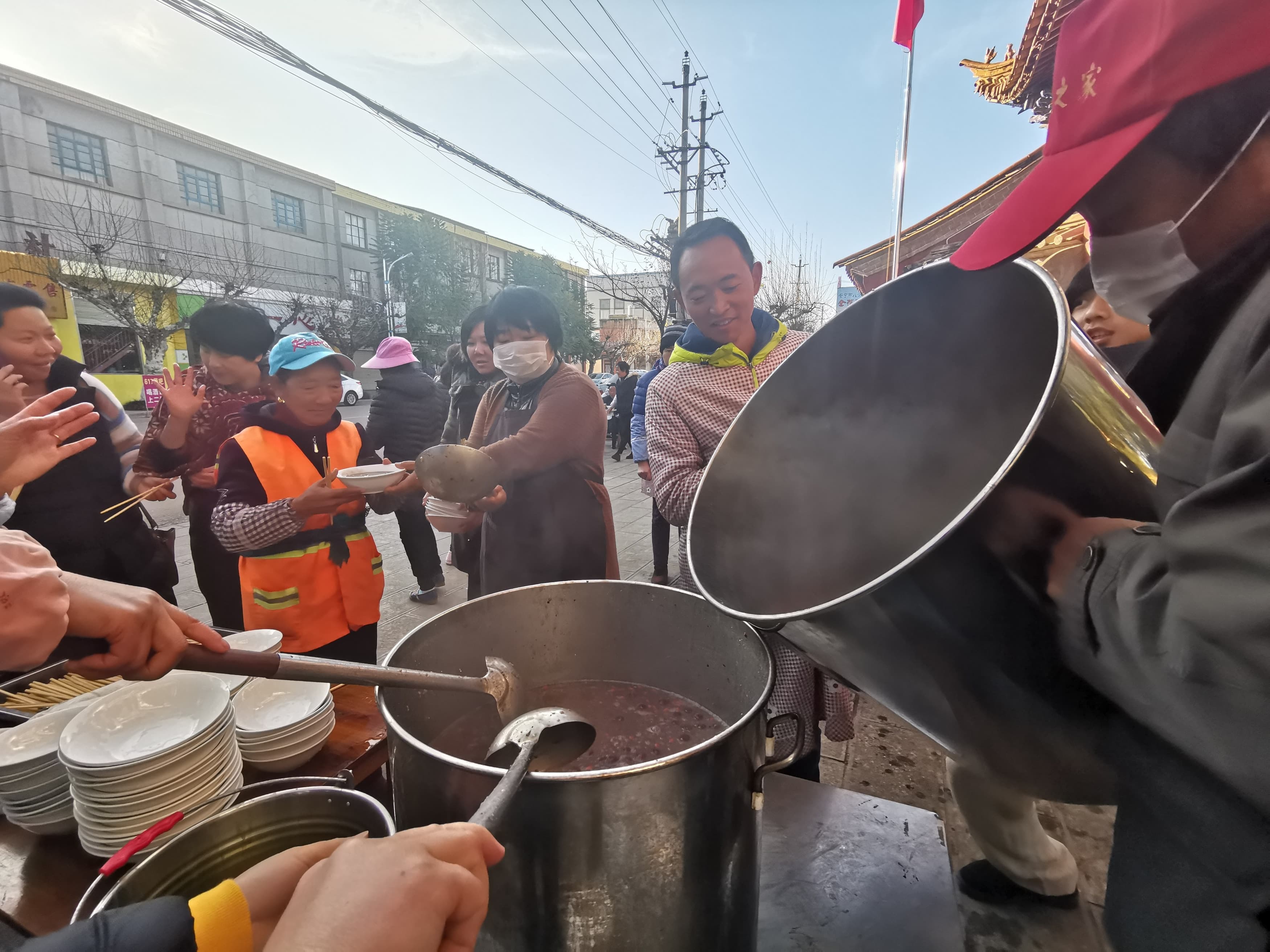
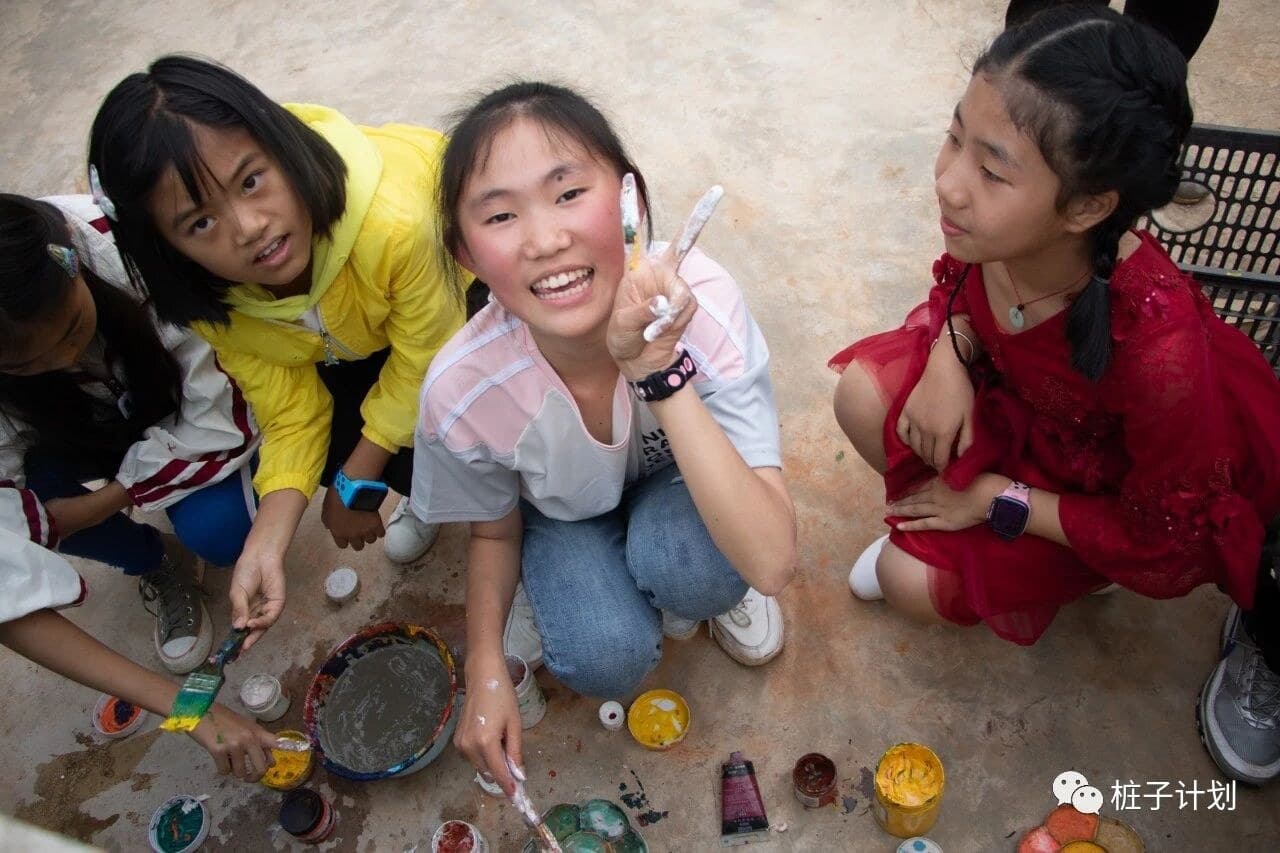
The project nourishes dialogue between Eastern and Western perspectives and philosophies in order to foster a vibrant exchange of ideas between China and the rest of the world. It creates art exhibitions, holds classes in traditional Chinese philosophy, culture, and ethics, and promotes greener living, healthier eating practices, and environmental protection in the area. It offers both young Chinese and young international artists-in-residence materials to make work, studio space, room and board, guidance from senior artists, and the chance to learn meditation and other contemplative practices in the peaceful setting of Bajie and its surrounding villages. The project's programming is available to all comers and is particularly invested in giving back to its home community of Bajie.
The ChuangTzu Project is an ongoing project that strives to discover new ideals for coexistence and human life.
ChuangTzu Academic Institute
There is no distinction between students and teachers in the college — they live together in a community, develop together, and maintain their small world. Students follow no compulsory subjects, no grading system, and no fixed length of study; they decide for themselves when to graduate.
This liberal and democratic educational system has attracted people from different parts of the world to study and teach here. Everyone in the college is equal regardless of race, class, or origin. There are no definite boundaries between courses; all subjects are interdisciplinary. Teachers and students work together across painting, sculpture, ceramics, textiles, furniture, photography, architecture, and music.
Traditional education will inevitably be replaced by a contemporary concept of studying. By highlighting art education as its core, ChuangTzu Academic Institute emphasizes art, education, and labour as a combination in a domestic atmosphere for life education. The institute is a genuine attempt to reform traditional education and experiment with progressive educational philosophy.
Located within the Sanhe Buddhist Temple in Anning, surrounded by plain and unsophisticated landscape with ancient-style decoration and elegant tranquility, the institute offers Chinese cultural courses: Sinology, Lao-Zhuang philosophy, Chinese painting, calligraphy, Tai Chi, tea ceremony, incense ceremony, guqin, chime bells, and meditation taught by resident monks — as well as the method and process of making enzyme preparations and flower cakes. Alongside these it provides art courses and practices: traditional Chinese aesthetics, Western aesthetics, basic theory of painting, field sketching, materials, handwork, and participation in tutors' creative works.
ChuangTzu Creative Art Center
The ChuangTzu Creative Art Center is a cultural and creative initiative serving the community, located in the historic center of Bajie township. It is composed of two parts: the ChuangTzu International Arts & Communications Center and the ChuangTzu Contemporary Art Museum.
The ChuangTzu International Arts & Communications Center is committed, with public welfare, professionalism, and independence as its principles, to actively participating in and supporting national cultural development strategy, cooperating with the government on key cultural development projects, and promoting interaction between Chinese folk art and international contemporary art. Through exhibitions, academic research, cultural exchanges, education, media publishing, and international artist residency programs, the center strives to establish an operational mechanism for international future art rooted in China — making it a folk art institution with international standards.
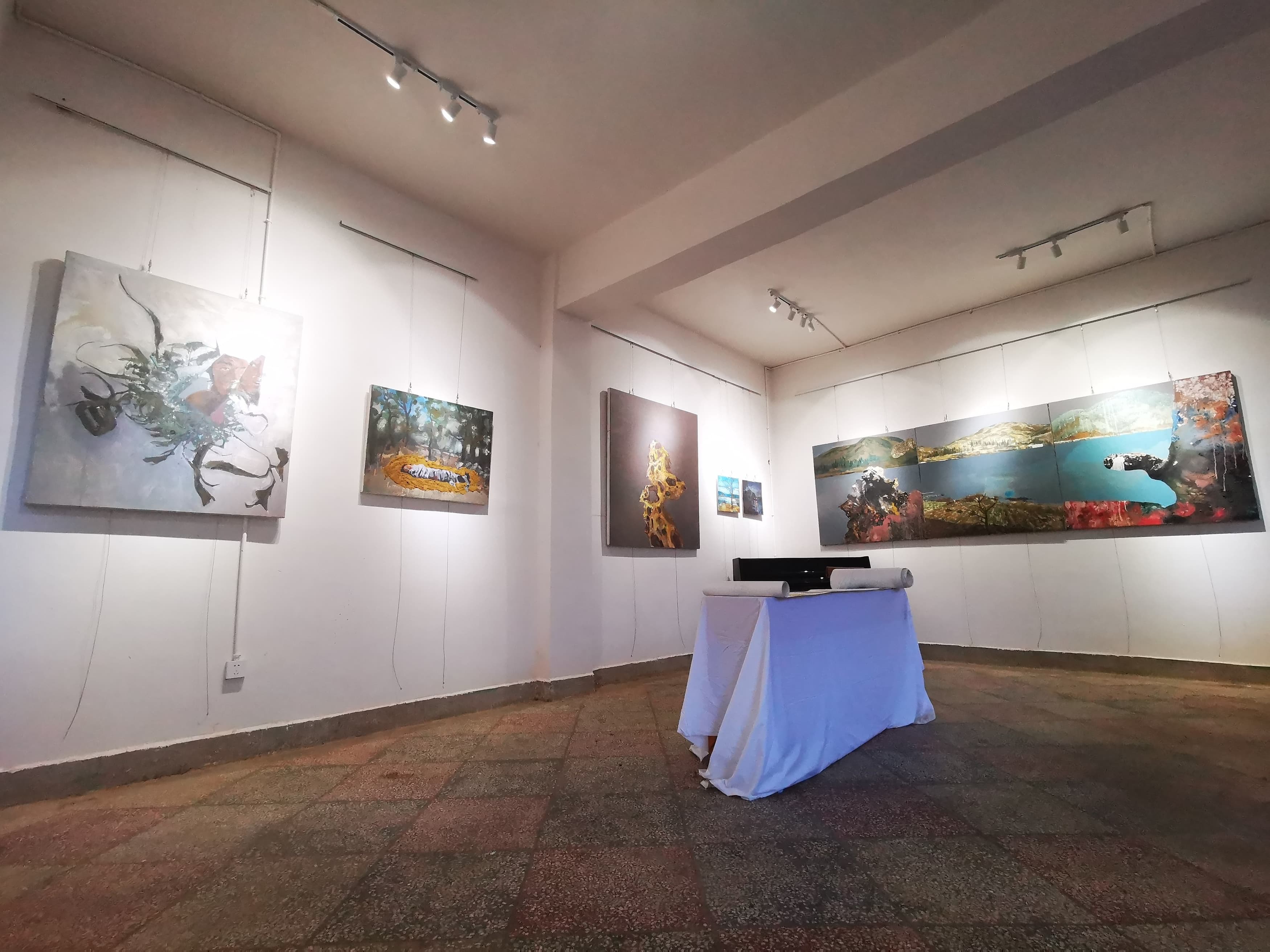
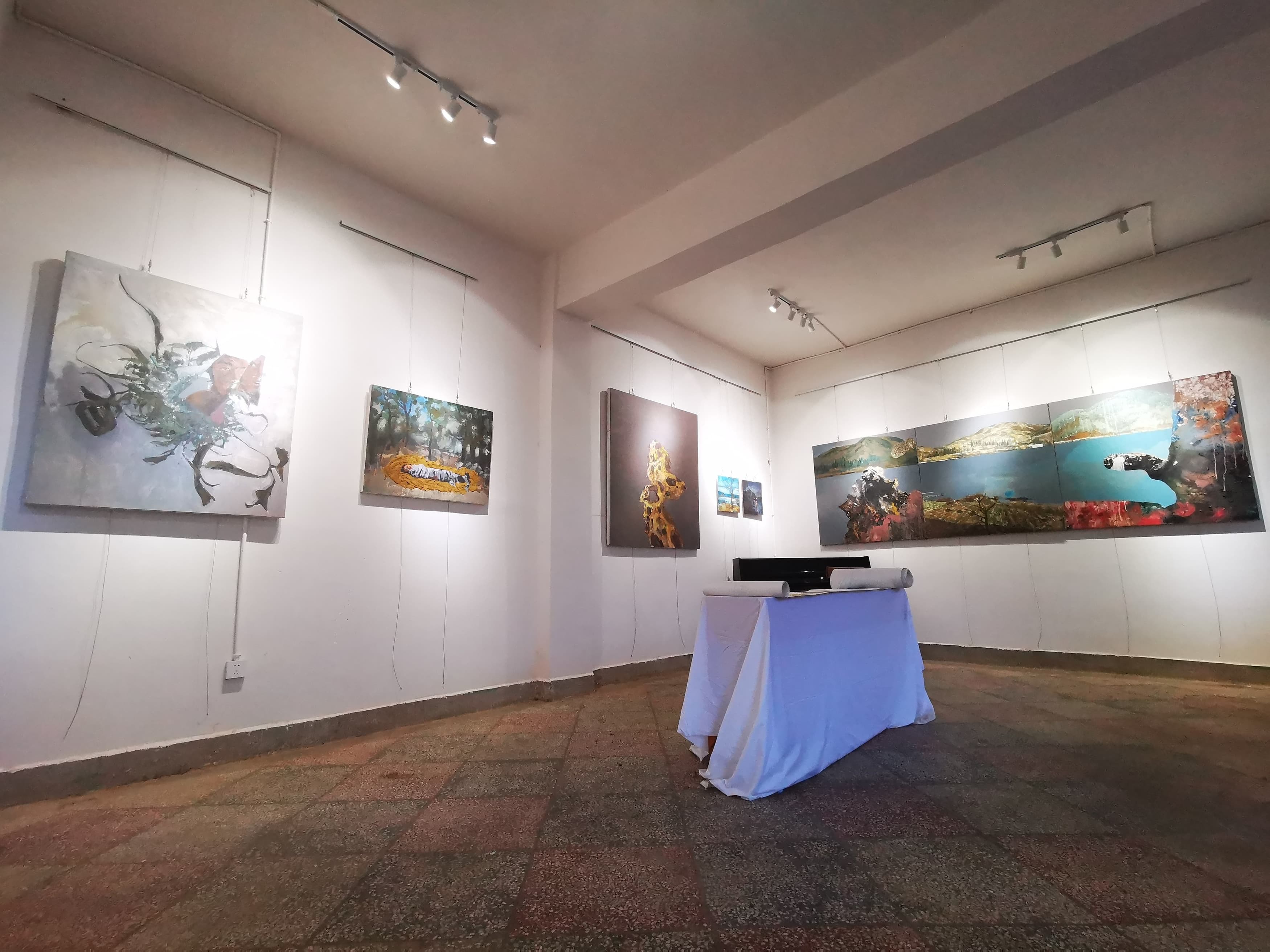
The ChuangTzu Contemporary Art Museum — also known as the Village Art Museum — covers 1,400 square meters built on the restored framework of the former courthouse. It is a modern art museum that integrates contemporary art across design, photography, architecture, dance, music, theatre, interdisciplinary art, multi-media art, textile craft, ceramics, literature, poetry, and art education. The museum is dedicated to inheriting and developing traditional folk art while actively promoting contemporary practice. It includes two exhibition spaces, an events center, an international artists' boutique hotel, and artists' studios. A small team of professional curators and art workers manages the space and organises regular high-level exhibitions, festivals, and artistic and cultural innovation activities.
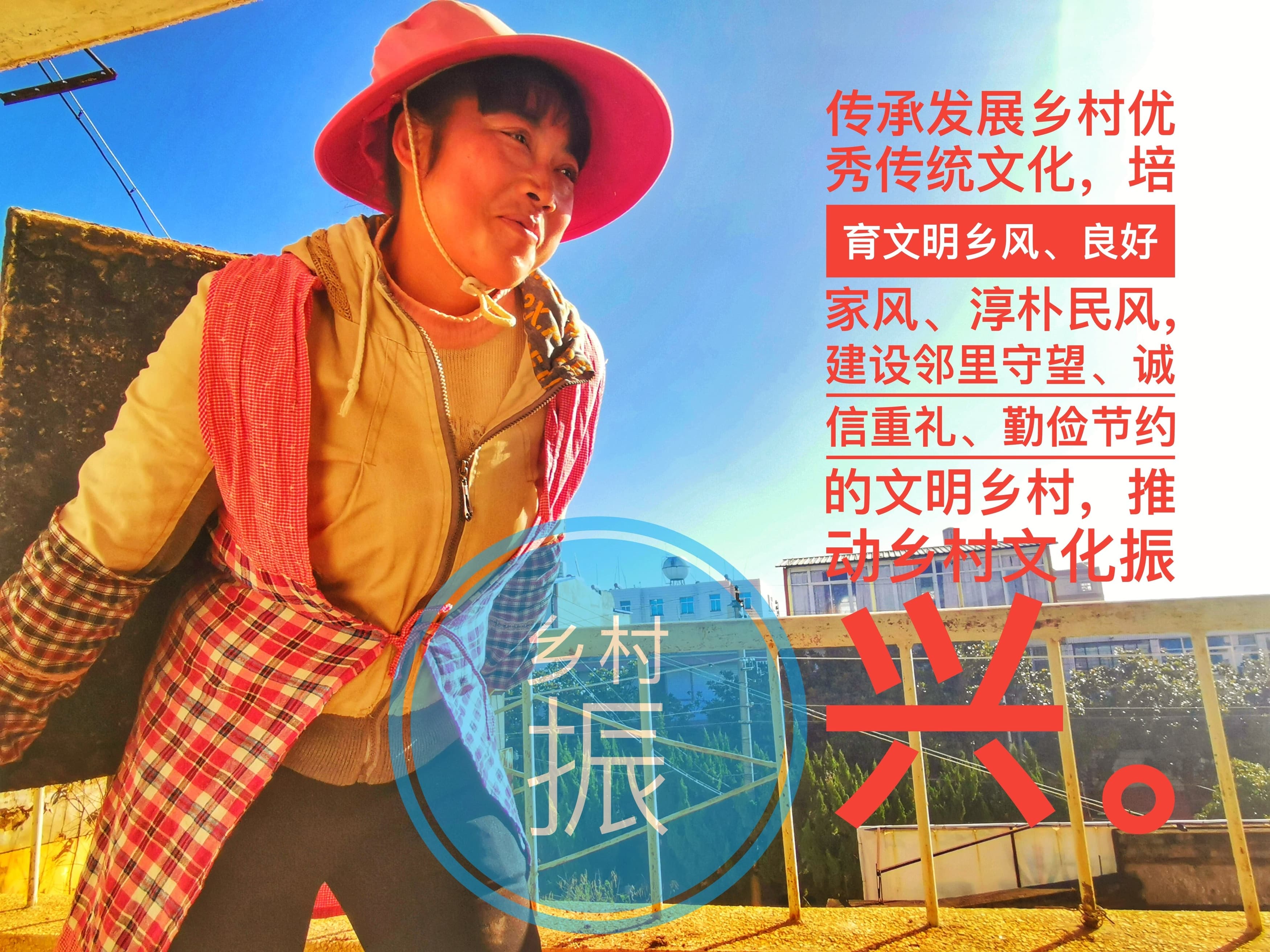
The center is committed to integrating local and international resources, curating and promoting diverse cultural art to international standards, while supporting diverse, locally-rooted cultural and art exchange projects in Anning Bajie. Its programming also includes agricultural cultural creativity and local ethnographic film documentary work — providing a platform for Bajie's residents and young people to communicate with the outside world and an opportunity to show their talents.
A Living Ecosystem
The ChuangTzu Project's initiatives include but are not limited to the Academic Institute and the Creative Art Center. The project is structured as a living ecosystem, with additional resident initiatives growing from its core:
A rural musical theatre brings live performance into the village setting, connecting contemporary and traditional arts with the local community. A design studio channels the project's aesthetic sensibility into applied work, including packaging design and visual communication. A publishing house gives voice and archival permanence to the ideas, texts, and conversations generated within the community. An artisans' market creates a regular public gathering point where art and daily life meet directly — goods made by community members and visiting artists find their way into ordinary hands.
Underpinning all of these is an agricultural complex: modern rural construction and planning, farm-to-table cultivation within the project's own garden, and a commitment to environmental sustainability pursued through artistic rather than merely technical means.
This is, in the words of the project itself, a dynamic and open platform. Whatever contributes to environmental sustainability with an artistic approach is welcome within it.
Press
Covered by 中国文旅头条, 云南网, and 春城晚报.